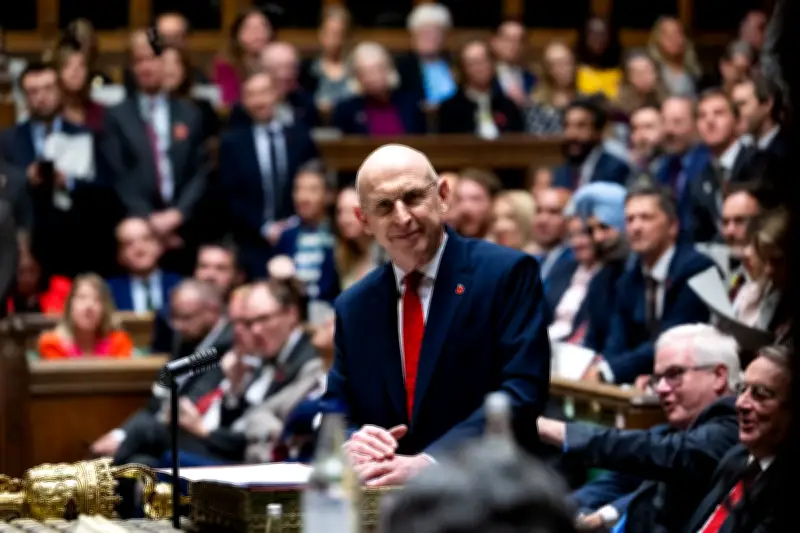
Full Fact, the UK's independent fact checking charity, has analysed several claims from the 2026 Budget speeches delivered in Parliament. The round-up covers statements made by Chancellor of the Exchequer John Healey and Conservative leader Kemi Badenoch.
Mr Healey delivered Labour's third Budget since entering Government, his first as Chancellor, and the first since Andy Burnham became Prime Minister. The analysis examines four specific claims from the speeches.
Gas standing charges removal timing
In his Budget speech, Mr Healey said: "From next year, through Ofgem, we will remove standing charges from household gas bills." While this announcement had been made earlier in the day, the Chancellor's wording left some uncertainty about when the change would take effect.
The Budget document states the change is "aiming for delivery by the end of 2027 or as soon as possible after then". A Treasury spokesperson told Full Fact: "Our aim is by the end of 2027 or as soon as possible after then (so 2028)."
An Ofgem spokesperson said: "Our focus will remain on working with Government and industry to deliver these changes in a way that works for consumers and supports a fair transition." The MoneySavingExpert website has reported it expects the change to come into effect on October 1 2027 or January 1 2028.
Triple lock savings figure
The Chancellor said that adjusting the triple lock will "save £15 billion a year by the end of the 2030s". This figure refers to how much less the Government thinks it will spend in 2039/40 on the state pension, compared with what it would have spent that year without changes to the policy.
The Resolution Foundation has described the £15 billion figure as a "reasonable central case", but the actual value could vary depending on economic conditions over the next decade.
Unemployment changes under Labour
In her Budget response, Mrs Badenoch said: "Unemployment has risen by a quarter of a million people since Labour came in." This is correct, though the number of employed people has also risen by more than one million in the same period.
Both the unemployment and employment rates have increased. This can happen when more people move into the economically active population. The number of economically inactive people has decreased by 327,000 since June 2024.
Defence spending target date
Mrs Badenoch appeared to claim the Chancellor had not set a date for defence spending to reach 3% of GDP. She quoted Mr Healey's resignation letter from when he stepped down as defence secretary in June, in which he said: "I am certain that a headmark date for 3% of GDP on defence in 2030 is what Britain must set."
Mr Healey did say that 2030 was a "target date" for defence spending to hit 3% of GDP. He said: "At the spending review next year I confirm that I will set out the details of how we will meet our Nato commitment to spend 3.5% of GDP on defence by 2035, with a target date for 3% in 2030." The Institute for Fiscal Studies noted in its initial response that there was "very little detail" on how the 3% target will be reached.