
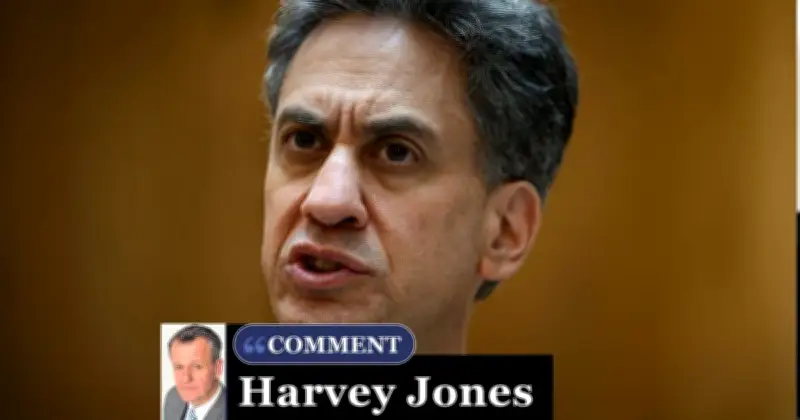
Ed Miliband, the UK's foreign secretary, has taken a hard line against Russia, announcing tougher sanctions targeting individuals and businesses funding Vladimir Putin's war in Ukraine. The move also aims to crack down on Russia's shadow fleet, marking a significant shift for a politician previously criticized for his foreign policy decisions.
A Controversial Past
Miliband's foreign policy record has been under scrutiny, particularly his role in blocking UK military action against Syria in 2013. At that time, Syrian dictator Bashar al-Assad had used sarin nerve gas against his own civilians, killing at least 1,400 people, including women and children. The attack crossed a red line set by then-US President Barack Obama, and UK Prime Minister David Cameron backed joint action with the US and France.
However, Miliband, then Labour leader, demanded "compelling evidence" of al-Assad's responsibility and ultimately helped defeat the parliamentary motion. The US subsequently called off strikes. Miliband defended his actions, calling the intervention "ill-thought out," but critics argue the decision worsened the situation in Syria.
Criticism and Contrast
Miliband's past comments about Donald Trump have also raised questions. In 2016, he called Trump "a racist, misogynistic, self-confessed groper," and a year later tweeted that Trump had "lowered the bar for idiocy." Despite this, Miliband recently met US Secretary of State Marco Rubio, with both sides maintaining diplomatic relations.
Now, as foreign secretary, Miliband's new stance on Russia has drawn attention. The sanctions come amid ongoing Russian provocations, including a warship firing shells near Plymouth and continued cyber and intelligence operations against the UK.
A New Direction
Observers note that Miliband's current approach contrasts sharply with his 2013 position, as he now appears ready to act without waiting for "compelling evidence." While some may question his consistency, others see this as a positive step in standing up for Britain's interests.
As the foreign secretary navigates these challenges, his actions will be closely watched, both at home and abroad.




