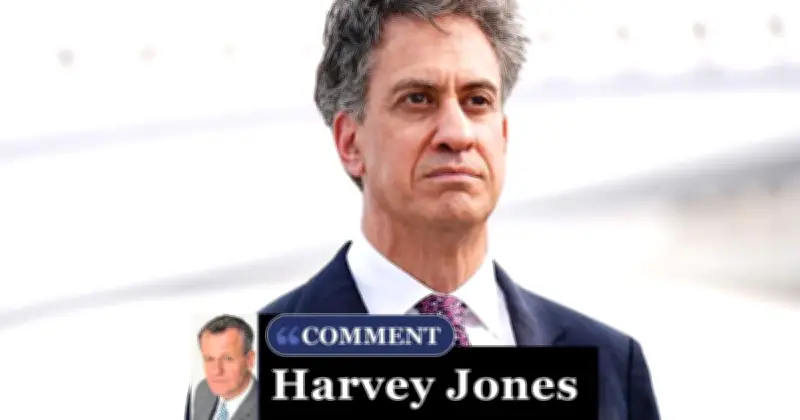
Ed Miliband has become the latest political figure to weigh in on the slavery reparations debate, following Andy Burnham's earlier intervention. The Foreign Secretary has suggested that an apology might help "heal the division" but has ruled out financial reparations as not the "right or feasible answer to transatlantic slavery".
Miliband's comments come amid growing demands for reparations, with some campaigners and international bodies putting the bill at between £18trillion and £20trillion. The UK economy generates just £3trillion a year, making such a payment seemingly impossible.
The Historical Context
Slavery is an abomination, the article states, noting that it was endemic in ancient times. The Romans, Greeks, Vikings, Egyptians, Persians, Arabs and Africans all practised it, and in parts of the world some people still do. The Americans, Europeans and Britons also traded slaves for almost 250 years.
William Wilberforce fought for two decades to get it banned, and after 1807 the Royal Navy helped stamp out the trade. The article argues that while Britain should be proud of that legacy, it cannot claim the slave trade was acceptable just because it was the done thing at the time.
Burnham's Proposal and Its Critics
Andy Burnham has suggested offering a formal apology, but the article dismisses this as "empty-headed virtue signalling". It argues that no Briton alive has held slaves, and the guilty parties are long dead, making a formal apology insincere and practically useless.
Campaigners at Caricom want debt relief, investment in health and education, cultural restoration and other measures, but they also want financial compensation. Chancellor John Healey cut his fiscal headroom to just £15billion last week, leaving the UK "quite a few trillion short" of what is being demanded.
The Impact of the Debate
The article suggests that handing over money would simply invite further demands, establishing a principle that people should pay for misdemeanours committed hundreds of years ago. It notes that former PM Tony Blair tried to address the issue in 2006, expressing "deep sorrow and regret" over Britain's involvement while stopping short of a full apology, but that wasn't enough.
The debate has also cast a shadow over the Royal tour, forcing Prince Charles to look embarrassed and mumble a few kind but useless words. The article concludes that improving trade links and supporting the Caribbean would be more productive than endless apologies, arguing that no amount of "word salad" will do the job if compensation is not forthcoming. Britain has enough problems getting things right today, and if it continues to churn over past misdemeanours, it will never get anywhere.