
A growing number of medical professionals are entering electoral politics, driven by alarm over the Trump administration's health policies, including funding cuts, layoffs and vaccine scepticism promoted by Robert F Kennedy Jr. They argue that their clinical and scientific training equips them to counter what they see as a systematic attack on evidence-based governance.
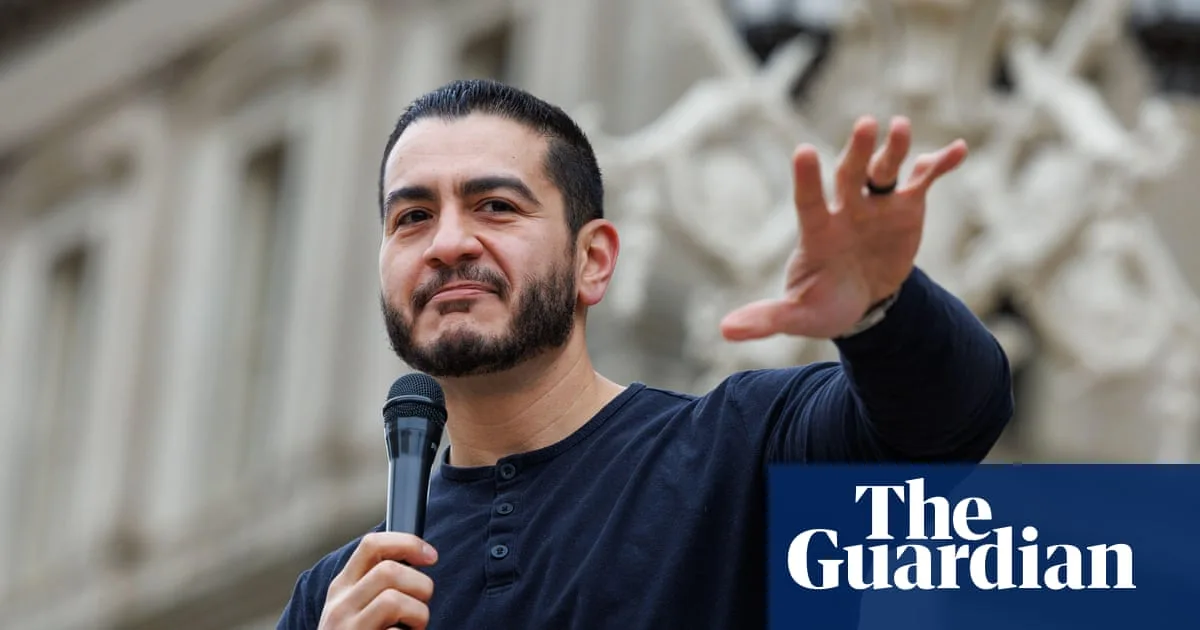
Abdul El-Sayed, a physician and public health expert who rebuilt Detroit's health department after the city's bankruptcy, is now running for the US Senate from Michigan. He described his transition from academia to public service as a 'rude awakening', noting that many health determinants are shaped by public policy. Jasmine Clark, a microbiologist and Georgia state representative, said she was 'appalled' by the resurgence of preventable infectious diseases and stressed the need for science perspectives in decision-making.
Since taking over the Department of Health and Human Services in early 2025, Kennedy has overseen a workforce reduction of 20,000 employees, cut public health funding by more than $12bn, and cancelled over 2,000 NIH research grants. He has also fired or forced out top scientific leaders at major health agencies, including four NIH directors. More than 1,000 current and former HHS employees have called for his resignation.
Richard Pan, a paediatrician and former California state legislator, is running for Congress in California's sixth district. He described the administration's actions as a systematic attack on science, noting that agencies like the FDA, NIH and CDC were once driven by scientific consensus. The doctors have placed disinformation at the centre of their campaigns, linking measles outbreaks to falling vaccination rates fuelled by Kennedy's rhetoric.




