

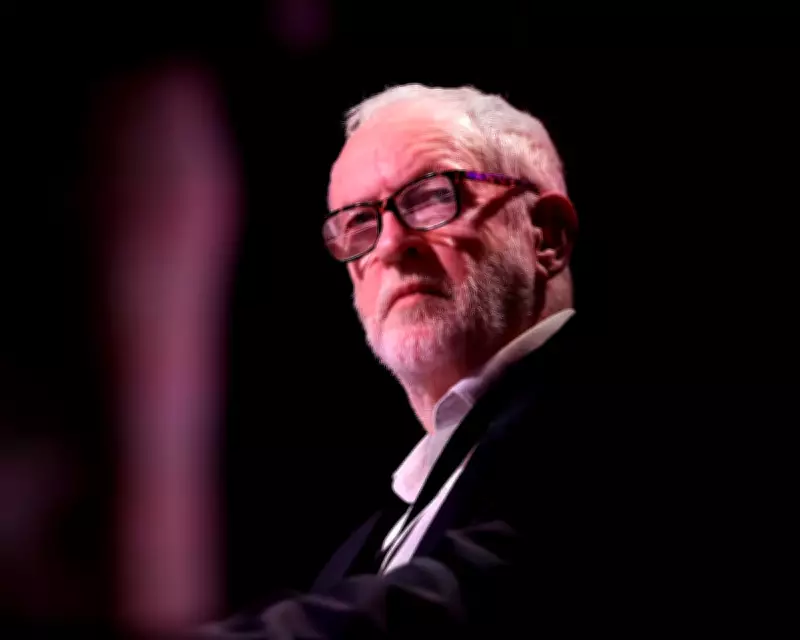
Jeremy Corbyn, the former Labour leader, has spoken about the experience of being ousted in a party coup, expressing sympathy for Keir Starmer while reflecting on his own tumultuous exit. In a wide-ranging interview, Corbyn recalled the 2016 rebellion that saw 21 shadow cabinet members resign, describing it as 'an hour of abuse' during a parliamentary party meeting.
Sympathy for Starmer
When asked if he felt sorry for Starmer, who is facing a slow ousting as Prime Minister, Corbyn hesitated briefly before saying: 'Yeah, I do feel sorry for him. On a personal level it must be devastating. It is a horrible feeling. You suddenly realise that this person doesn't trust you at all and really doesn't wish you well at all, and any trust that was there actually disappears.'
The 2016 Coup
Corbyn's ordeal began on 25 June 2016, when The Observer reported that shadow foreign secretary Hilary Benn was planning a mass walk-out. Corbyn phoned Benn, who confirmed the story, leading to his dismissal. Over the following days, Corbyn received resignations from 21 shadow team members, some of which came while he was at his allotment. 'I wrote them down and made notes at home, so I could call them the potato rebel, the beetroot rebel,' he recalled with a dry laugh.

A meeting of the parliamentary Labour party on Monday was 'very rough, horrendous really. Basically, an hour of abuse thrown at me,' Corbyn said. 'It was all personal and very, very abusive, not that I particularly care, but others got very upset by it.' A motion of no confidence passed 172 to 40, but Corbyn refused to resign, saying he was elected with a clear majority and it was up to the members to decide.
Support from Family
Corbyn credited his wife, Laura Alvarez, with being a vital steadying influence. 'She is from Mexico and she thinks Britain is more corrupt than Mexico – in Mexico it is just more obvious,' he said. 'She was really angry about the whole thing, really wound up by it. Absolute total support, as with my sons, and all of the wider family.' His ex-wife, from Chile, simply said: 'It's a coup, stop them. We have seen coups before.'
Advice for Starmer
Corbyn suggested that Starmer should not hide away but make his case publicly. 'There's a temptation to go into the bunker because you're always full of advisers, and sometimes the advice is contradictory,' he said. 'It is nearly always well meant, but it can be quite irritating and sometimes you have to do things instinctively rather than necessarily calculating to the end. If you've got instinct to do something, do it. You might get in trouble later on but at least you have been true to yourself.'
Leadership Contenders
On the potential candidates for Labour leadership, Corbyn was critical. Wes Streeting, who resigned as health secretary, faces issues over 'Palantir and privatisation of the NHS,' Corbyn said. Andy Burnham has a chance but a byelection win in Makerfield is not a 'shoo-in,' and his support for more defence expenditure may not chime with members. 'We need to put money into welfare and education and housing, not warfare,' Corbyn argued. Angela Rayner, on the 'trade union right of the party,' is effective at public speaking but may have policy issues, he added.
'I wouldn't vote for any of them,' Corbyn initially said, before checking himself: 'I would always vote. I would give myself a series of tests on economy, on opposition to racism, on peace and war, and environment. To stop the retreat on environment politics, stop the retreat away from public ownership, and stop the retreat away from the politics of peace globally; we can do better than funding war and subsidising the arms industry.'
Reflecting on the events of a decade ago, Corbyn concluded: 'You can't ever totally divorce the personal from the political, even though many of us would like to.'






