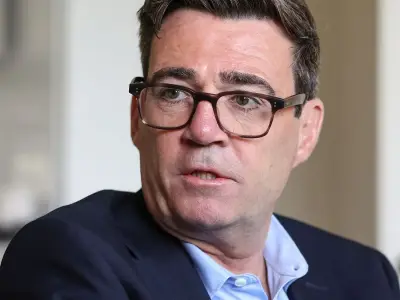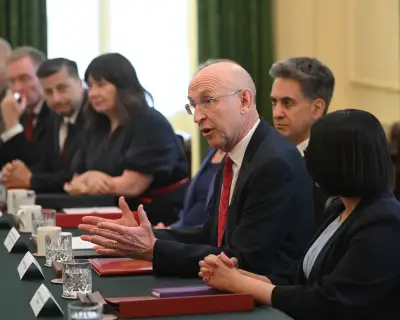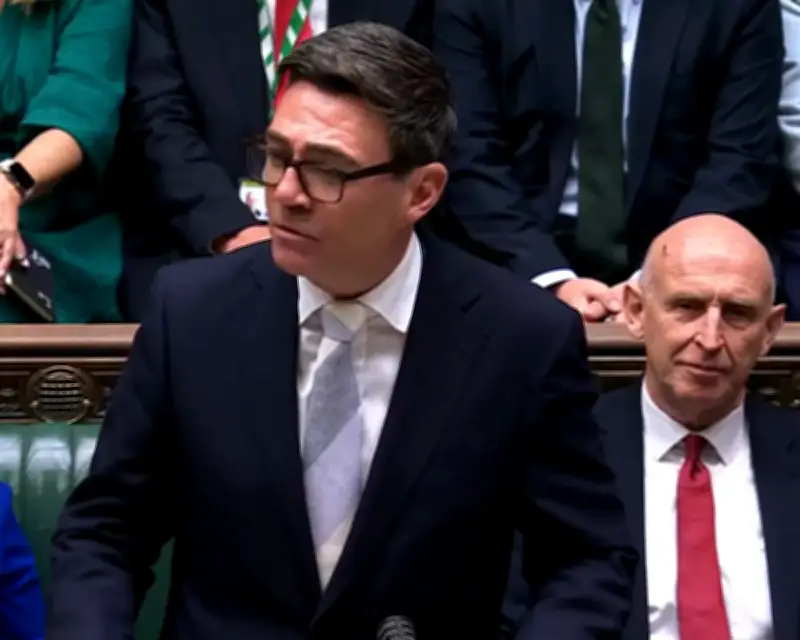
Andy Burnham delivered his first statement at the government dispatch box as prime minister, focusing on cooperation rather than confrontation, just hours after Keir Starmer announced he was standing down as an MP.
Starmer's departure
Starmer had insisted only weeks ago that he would remain an MP until the next general election, but he announced his exit on the first day of the new parliamentary session. In his statement, he said he had meant it when he said he would stay as MP for Holborn and St Pancras, but had realised it would be incompatible with his ambitions on the international stage.
Starmer had seemed uninterested in representing his constituents or serving as a backbencher, unlike Theresa May, who remained on the backbenches for years after being removed by Tory MPs, or Rishi Sunak, who turned up to work every couple of months. For a prime minister, Starmer had appeared curiously uninterested in politics, so much so that it raised questions about why he had become a politician.

Burnham's approach
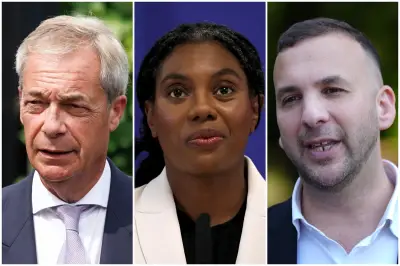
Burnham had mixed feelings about Starmer's decision. In the long run, life would probably be easier without Starmer around to cause trouble, but the downside was a potentially tricky byelection, especially if Zack Polanski chose to stand for the Greens, with an almost obligatory appearance from Count Binface.
In his statement on the government's direction to negotiate, Burnham spent the first few minutes praising Starmer, saying he had given a lifetime of service, created a platform for change, and made the Labour party electable again. He then moved to the heart of the matter: less policy, more positive vibes.
Burnham said he had not come to the Commons to pick a fight with the opposition, but hoped they would listen, realise he was right, and work with him. He ran through a wishlist covering the climate crisis, small boat crossings, prison places, defence, and the cost of living, saying the country had been in decline since 1980.
Opposition response
Kemi Badenoch, leader of the opposition, tried to sound as if she had listened and would work at finding common ground, though she could not do so without sounding vaguely patronising. "I'll be gentle," she said, before going on to say that almost everything Burnham had said was totally wrong, describing the decline in small boat crossings as a coincidence and dismissing anything Margaret Thatcher had done as irrelevant.
Burnham responded by pointing out that Badenoch had picked a shadow chancellor who had been the author of Liz Truss's mini-budget. Badenoch looked shell-shocked and will need to raise her game before the next prime minister's questions.