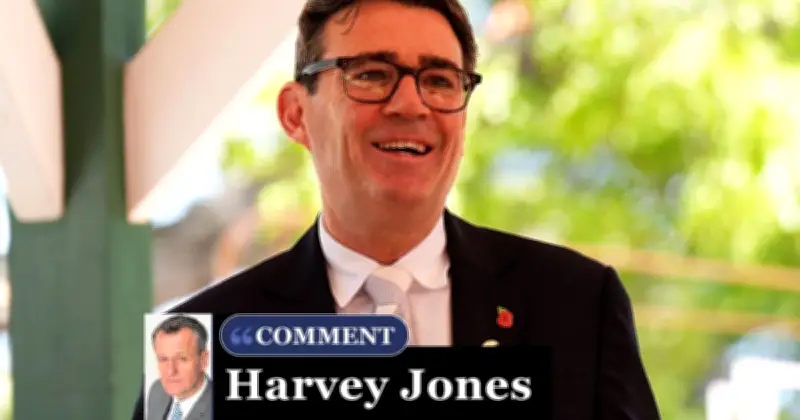
Andy Burnham has overseen a series of spending pledges since entering Downing Street, ranging from a 5% VAT cut on electricity bills to a £40 million downpayment on slavery reparations to the Caribbean. The measures also include a reduction in bus fares, lower business rates for the high street, a new disabled travel programme, cash for West Midlands buses, support for rough sleepers, and additional NHS winter spending.
Pattern of Handouts
A pattern has emerged in the approach: identify a problem, find the people making the most noise about it, and then provide funding. The strategy appears designed to calm lobby groups, charm voter demographics, and head off awkward confrontations, with grants used as a tool to address various issues.
The spending spree has continued with money directed toward the EU as well. John Healey's Budget was also marked by a string of small spending pledges, including extending the electricity VAT cut to July, giving 20 million households £100 off their energy bills, extending the fuel duty freeze, and providing support for first-time buyers.
Budget Details
Healey also allocated funds for rough sleepers, self-employed fathers and their partners, a northern Olympics bid, and devolution. Most of these giveaways are considered small in government terms, with the exceptions being council house building and social care, which could run into tens of billions.
The sheer volume of pledges has drawn attention, with Burnham's approach described as dealing in smaller amounts compared to previous spending under Ed Miliband, who threw tens of billions around under Keir Starmer.
Fiscal Strategy
Burnham's spending is constrained by thin fiscal headroom, but as a Labour Prime Minister, he is expected to be seen spending. The strategy appears to rely on a stream of smaller giveaways to keep his party onside.
The approach has been characterised as buying popularity with taxpayers' money, with the ultimate cost falling on taxpayers.