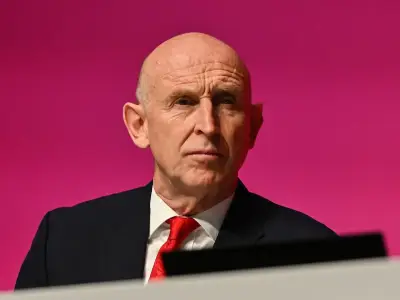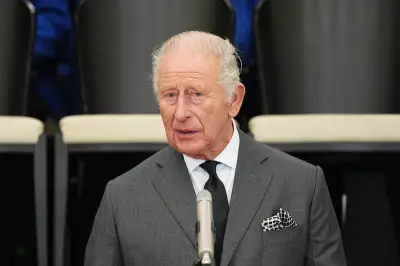
Prime Minister Andy Burnham's fondness for the past, which he exploits through a politics of nostalgia, could backfire with older Britons who remember the turmoil of the 1970s, according to a new opinion piece. The Prime Minister, who describes himself as “quite old school,” has made no secret of his desire to take the country back to an earlier age, promising the “biggest council housebuilding programme since the post-war era” and a “National Care Service.”
Burnham's approach is a deliberate strategy to counter the Conservative narrative that Labour's post-war socialism wrecked communities and led Britain towards social and economic collapse. He used his first speech as prime minister to describe how the country took “wrong turns” in the 1980s, and he is set to outline his vision for reindustrialisation in a forthcoming 10-year plan.
Appealing to the Past
Burnham's nostalgia extends to cultural touchstones, including a video with his Chancellor rating classic bar snacks, and his reverence for musicians whose greatest successes came in past decades. He has also made it politically acceptable for Labour MPs to champion rejoining the European Union as a member state, with UK and European officials expected to discuss the return of free movement.
This fondness for the past is risky, as many of the “wrong turns” he criticises came when the British public rejected the political elite's chaotic conduct. The nation elected Conservative majority governments in four successive opportunities and, in 2016, 17.4 million Britons voted to leave the EU.
Voters' Memories
Older Britons with clear memories of the 1978-79 winter of discontent are among the most likely to vote. If they fear Burnham is intent on returning Britain to those grim days, they may again resolve to take back control. The Prime Minister's gamble is that his nostalgic appeal will outweigh the painful memories of that era, but the outcome remains uncertain.