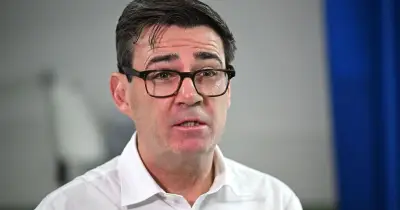
Prime Minister Andy Burnham has said the crisis facing Britain's young people is the fault of politicians and has pledged a generational response to fix it. Writing in an opinion piece, he argued that a million 16- to 24-year-olds are now not in education, employment or training (Neet), and that this is not their fault but a failure of political leadership.
Burnham said that young people have grown up in a tougher world without adequate support, calling the situation an economic catastrophe and a moral one. He said that 16 years ago, the Conservative government made a deliberate decision to make young people bear the brunt of cuts, with children becoming adults today described as "the children of austerity."
Impact of austerity on young people
Burnham outlined how austerity affected young people at various stages of their lives. At four years old, with Sure Start centres closed, too many were beginning school behind without the support they needed to catch up. By 12, too many had seen youth clubs shut down and had fewer places to go with the closure of libraries and leisure centres. Teenagers in need of mental health support were told to wait months or even years, and by 18, millions had passed through an education system that told them their technical talents were not worth as much as the abilities of their academic peers.
He said that under the Conservatives, the welfare bill shot up by £114bn. Burnham criticised the Conservative solution of crude cuts to the welfare bill, saying they would compound the mistakes made in government, drive children into poverty, increase family homelessness, and pile further pressure on councils, the NHS and other public services.
Whole-childhood approach
Burnham said there are two choices: invest in young people and give them a proper chance, or continue to pay the price for failure. He said he chooses the first and called for a root-and-branch rethink of how childhood is supported in the modern world. He said that to bring down the welfare bill for good, intervention must happen at different stages where young people can fall behind, long before they find themselves out of work.
Next week, Alan Milburn's review into young people and work will be published. Burnham said he wants it to be a watershed moment and an opportunity to change the way we think about welfare and childhood. He said that under this government, support will start much earlier, with what he calls a whole-childhood approach.
Technical and academic parity
Burnham said he is determined to build an education system in England based on the principle of parity between academic and technical routes, giving all young people a path in life and telling them they are equally valued. He said Britain has praised the graduation cap and looked down on the hard hat, and that new technical pathways in school will start to put that right. He also said that when young people approach adulthood, the government will guarantee good work experience and employment opportunities.
The government will consider Milburn's recommendations carefully and respond in full in the coming weeks. Burnham said the response will not be in the manner of traditional Department for Work and Pensions reform but will be societal and generational, shifting government spending from paying for failure to investing in success. He said that with genuine opportunities to learn, train and work, young people should be expected to take them where they can, and that benefits must become the backstop, not the starting point. The system will no longer begin by establishing which benefits a young person is entitled to receive but will understand their ambitions and identify the help they need to achieve them.