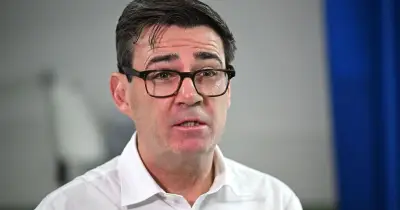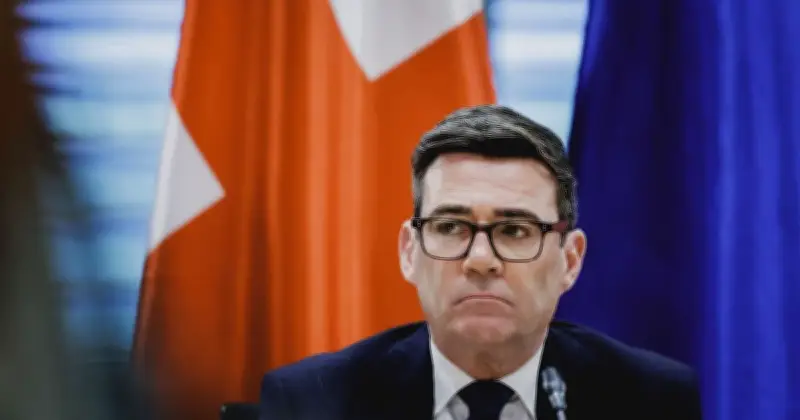
Prime Minister Andy Burnham has announced plans to push for a major new Brexit deal with the EU that he hopes will bring down the cost of people's weekly food shops. Mr Burnham is preparing to meet European leaders in Brussels on Friday, November 20, where he wants to reach agreements that could make food cheaper and help British businesses.
The plans come as families continue to struggle with the cost of living, with the average weekly food shop now costing around £119, according to figures from Confused.com.
Removing post-Brexit checks and paperwork
One of the biggest changes being discussed would remove some of the checks and paperwork introduced after Brexit for food and agricultural products moving between Britain and the EU. Mr Burnham believes this could reduce costs for businesses and help ease the pressure on supermarket prices, although any savings for shoppers would depend on the final agreement.
Writing for the Mirror, the Prime Minister said any new deal must make a real difference to ordinary people, particularly those who feel they have been left behind. He said: "Any deal I seek to agree in Brussels must first pass what I call the Makerfield test: will it make life better for people in the parts of Britain that have felt forgotten?"
He added: "On Friday, there is a chance of reaching a deal that helps ease the cost-of-living crisis. I am putting Britain back on a positive path and working to get our economy growing. This Friday I can take the biggest step yet down that path - and I am determined to take it."
Welsh Labour conference remarks
The Prime Minister also spoke about his plans at the Welsh Labour conference on Saturday, November 14, where he said bringing down household costs was a priority. He told delegates: "We need to be willing to take difficult decisions to get the cost of living down. It's why, in a few days' time, I will head to the next UK-EU summit, and I will be working hard as we move towards it to get to a new deal on food and farming between the UK and the EU."
"I want to remove some of the red tape that food exporters here face when they are seeking to send their products abroad. But more than anything, I'm trying to get prices down. Food prices down. And if we get the right deal, that is what we will do, as well as reduce costs for businesses, and overall get more growth into the UK economy, up to 0.4% on GDP."
Broader EU cooperation and political reaction
The Government is also hoping to make progress on emissions trading and a scheme that would make it easier for young people to live, work and study in the UK and Europe.
Mr Burnham has suggested the UK could explore a closer relationship with the EU in the future, but has ruled out returning to the Single Market, Customs Union or freedom of movement during this Parliament. He has also said the British public would ultimately have the final say on any decision about rejoining the EU.
The Prime Minister has faced criticism from the Conservatives over his plans, but questioned why his opponents would reject agreements that could help families with their bills. He asked: "How can they turn their backs on lower food prices when families are struggling so much?"
Retailers have also backed efforts to reduce the barriers facing food businesses. M&S Food boss Alex Freudmann said last month: "A deal means fresher food and fuller shelves for our customers, lifting the pressure on the price of the weekly shop. And it means British farmers are able to sell meat, fruit and veg into Europe without the red tape. The sooner this agreement is signed, the better. 20 November is the moment finally to get the deal done."
Meanwhile, Work and Pensions Secretary Pat McFadden said the current arrangements with the EU could be improved. Speaking on Sunday, he said: "No one thinks that the status quo is serving us particularly well, and so we think we can do better there. This is a really important summit at the end of next week, it's being taken very seriously by the Prime Minister and for a whole number of reasons - security reasons, cost, the business reasons, cost, the consumer reasons, lack of cooperation on immigration, which is a big concern to people. We think we can get a better arrangement with Europe than we have right now."
Mr Burnham is also expected to raise migration cooperation during the summit, including the possibility of restoring access to European databases used to help process asylum claims.