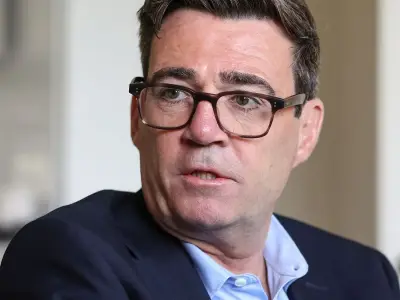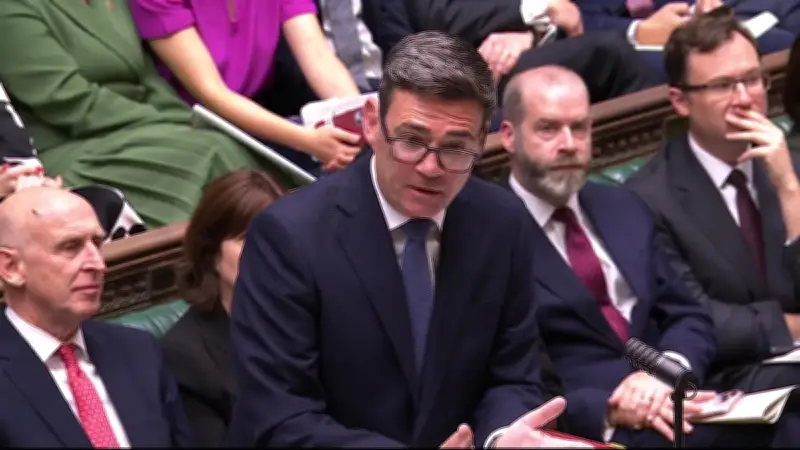
Andy Burnham refused to rule out tax rises in the upcoming budget as he was accused of being a “people-pleaser” and not a leader. In his first Prime Minister’s Questions, Mr Burnham was asked multiple times whether he planned to increase taxes to pay for his spending plans.
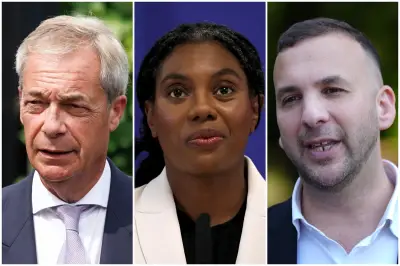
Tory leader Kemi Badenoch branded the PM a “people-pleaser” and ridiculed him for saying he wants to bring down Britain’s ballooning benefits bill by “spending more money”. Mr Burnham said he is not going to “write the Budget” at the despatch box as he was pressed about whether he plans.
Badenoch challenges Burnham on tax and spending
Conservative leader Ms Badenoch said: “The markets are clearly worried that we now have a spendthrift Prime Minister who wants to say yes to everyone but cannot tell us where the money is coming from.

“He needs to pay for all his new promises, and he has a choice: higher taxes, more borrowing or spending cuts.
“Yesterday, he said change begins with honesty. So, will he be honest and tell us? Is he preparing to raise taxes again? Yes or no?”
Burnham defends early Budget decision
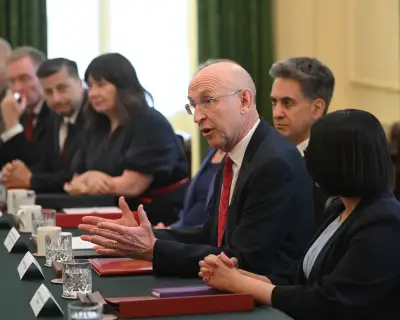
Responding, Mr Burnham said: “I’ve already indicated my first moves were to cut tax, but I’m not going to do what any prime minister has done and write the Budget here. That will be the matter for my Right Honourable friend [Chancellor John Healey].
“But can I also say to her that he and I took a deliberate decision to set an early date for the Budget so that we reduce the period for prolonged speculation of the kind that she is wanting us to indulge in today.”
The leaders clashed over the Government’s spending commitments, as Ms Badenoch said the PM needed to be a “leader not a people-pleaser”.
Clash over welfare and spending cuts
Mrs Badenoch had asked Mr Burnham during his three-hour, 23-minute statement in the Commons on Tuesday if he had denied a spending request. In turn, he said he was committed to bringing down the welfare bill.
He said: “I do not want to be a Prime Minister that sees a situation where we have so many people in their 20s not in education, employment or training.
“I can’t defend that, and I want to change that by giving more support to young people so that we start investing in their success rather than paying for failure, as we have done for many years under successive governments.”
Mrs Badenoch replied: “He did not say no to a single spending request, and personally I think it’s delightful that he wants to make everyone happy but a Prime Minister needs to be a leader not a people-pleaser.”
She added: “Yesterday the Prime Minister told the House that his summer of promises would be paid for by reprioritising within Government. So what exactly has he cut?”
Mr Burnham replied: “In terms of ‘what has he cut’, tax is the simple answer to that question.
“Within days of office I indicated that we would remove VAT off electricity bills, that will help people with the cost of living and then days later with the support of the Chancellor we said that there would be a cut in business rates for pubs, social clubs, live music venues.
“So this Government (is) lowering the cost of living, lowering the cost of business.”
Market pressures and defence spending
It came as middle income earners look increasingly likely to face a fresh tax squeeze after gilt markets threatened to blow a £6 billion hole in the Chancellor’s Budget plans. Britain’s long-term borrowing costs jumped to their highest level in 28 years on Tuesday as investors sold off Government bonds in a bet on higher inflation linked to signs of escalation in the Middle East.
Chancellor John Healey was warned that any major spending sprees in his Budget risked making the UK bonds sell-off even worse. But the Prime Minister has suggested that Mr Healey will still find money to hike defence spending to 3% of GDP by 2030 by the time of the next spending review.