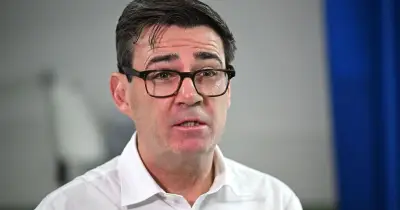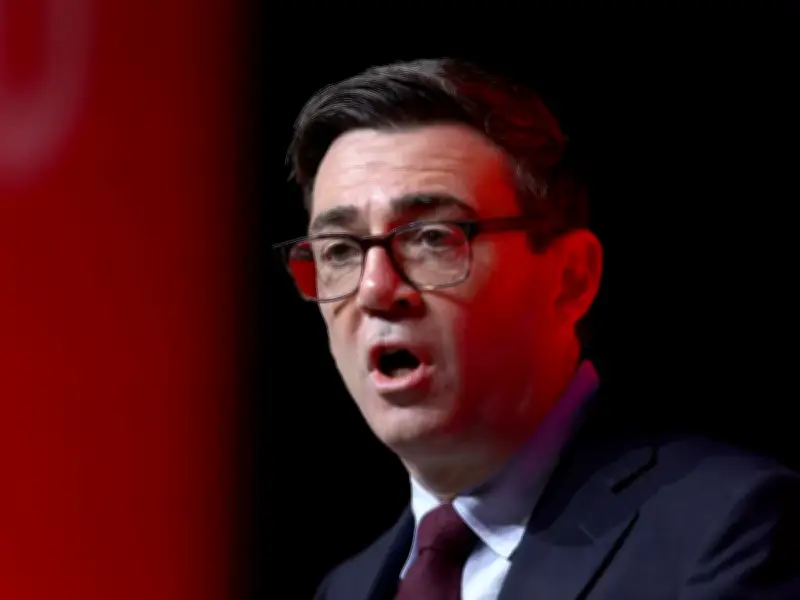
Andy Burnham is poised to match the 119 days in office of George Canning in 1827, with only Liz Truss having held the post for a shorter period. The Prime Minister has taken on welfare and Europe, two issues seen as politically difficult but vital.
Welfare plans and Europe relations
Burnham may benefit from considered plans attributed to Blair-era Health Secretary Alan Milburn to redirect spending toward helping young people. This follows Keir Starmer's difficulties with proposed £5 billion benefit cuts.
Public opinion on Europe has shifted, with most people agreeing that improved relations with neighbours and trading partners are desirable. Burnham has argued that Brexit did "more harm than good" following the Conservative deal.
Political risks and opportunities
The Prime Minister is described as pushing at open doors on welfare and Europe, while aware he is walking into a minefield where one misstep could damage him and the Labour government. However, doing nothing carries greater danger, with popular everyday fixes needing to be accompanied by big-ticket decisions whose benefits may take years to materialise.
Success would end criticism that Burnham is a caretaker who postpones key issues such as social care, a fairer voting system, and potentially a referendum on rejoining the EU until after a general election.
Public support and challenges ahead
Burnham is confined by the inherited election manifesto, but Labour consistently topping polls signals the country wants him to begin rebuilding immediately. A Prime Minister making the political weather is a contrast after Starmer, Rishi Sunak, Truss, Boris Johnson at the end of his term, and Theresa May were battered by events.
Burnham may yet struggle on welfare and Europe or face a living standards crisis fuelled by rising energy bills linked to Donald Trump's Iran war. But attempting these challenges is preferable to being an onlooker forgotten by history. Success could make Kemi Badenoch and Nigel Farage the worst losers.