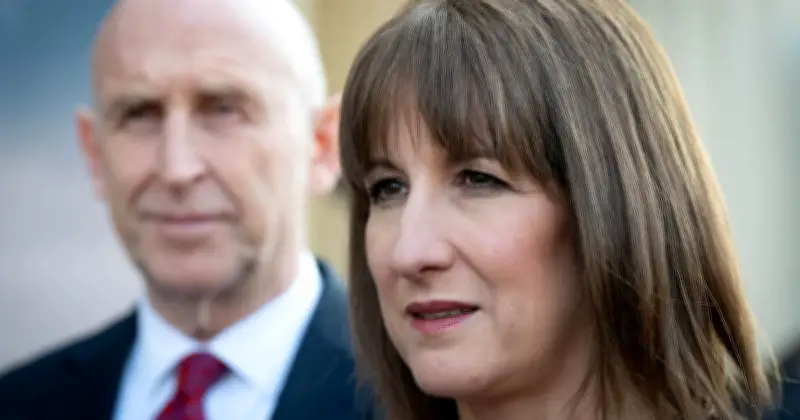
Chancellor John Healey and Prime Minister Andy Burnham have dismantled six of Rachel Reeves' financial policies just months before they were due to take effect, delivering a final blow to her economic plans.
Healey paid tribute to his predecessor at the start of the Budget on Wednesday, but then proceeded to scrap or amend several of her key measures, with further changes hidden in the full Budget documents released after the speech.
Tribute Followed by Policy Reversals
In his opening remarks, Healey told parliament: "At the outset of this Budget statement, I want to pay tribute to my predecessor, my Right Honourable Friend the member for Leeds West and Pudsey, Britain’s first ever female Chancellor, after 800 years. She brought fiscal discipline to this country. And she took the decisions required to boost investment, to cut NHS waiting lists and to lift half a million children out of poverty."
Despite this, the new Chancellor abolished several of her plans and announced further u-turns in the Budget documents issued in the hours following the speech.
Cash ISA Limit Restored
The most significant change was to Cash ISA rules. Reeves had proposed reducing the annual deposit limit from £20,000 to £12,000, arguing it would encourage more people to invest rather than hold cash savings. Healey has axed these changes and restored the limit to £20,000.
Related tax charges on cash held in a stocks ISA, intended to discourage savers from holding uninvested cash, have also been scrapped.
Pension Tax Exemptions Expanded
Healey has kept Reeves' policy of a tax exemption for state pensioners who exceed the tax-free Personal Allowance, but has scrapped almost every rule previously announced by the Treasury.
In April, the full new state pension will reach £13,036.40, while the tax allowance remains at £12,570. Reeves had set out that only state pension income would be exempt from tax, with any other income causing the exemption to be lost. Healey has removed this restriction, allowing any income up to £13,037 to be exempt, with a tapered reduction until a new limit of £13,319.
Savings and Property Tax Rates Increased
The government is keeping the rates of tax paid on earnings unchanged, while seeking an additional contribution from those with taxable income from assets, the Budget documents confirm. Reeves' 2025 Budget had increased the rates of tax on savings and property income by two percentage points across all tax bands from April 2027. The government has now doubled this increase, adding a further two percentage points from that date.
This means basic savings rates will rise from 20% to 24%, rates at the £50,270 threshold from 40% to 44%, and the top rate from 45% to 49%. Property income tax will follow the same pattern, increasing from 20% to 24% for basic rate taxpayers, from 40% to 44% for those above £50,270, and from 45% to 49% for top earners above £125,140.