The upcoming Budget will allocate more than £1 billion for social and affordable housing and provide England's mayors and regional leaders with enhanced powers and funding. This investment will increase the total for the 10-year social and affordable homes programme to over £40 billion.
Councils will also receive assistance to borrow money from the Government for housebuilding through an extension of preferential interest rates.
Government's Commitment to Housing
A Treasury spokesman stated: “For years families have been locked out of a secure and affordable home because we simply haven’t built enough.” He added: “The Prime Minister promised to restore the public housing stock. This Budget will go further on that ambition through significant investment in affordable housing and helping councils borrow to build so we can replace what’s been sold and give people a place to live.”
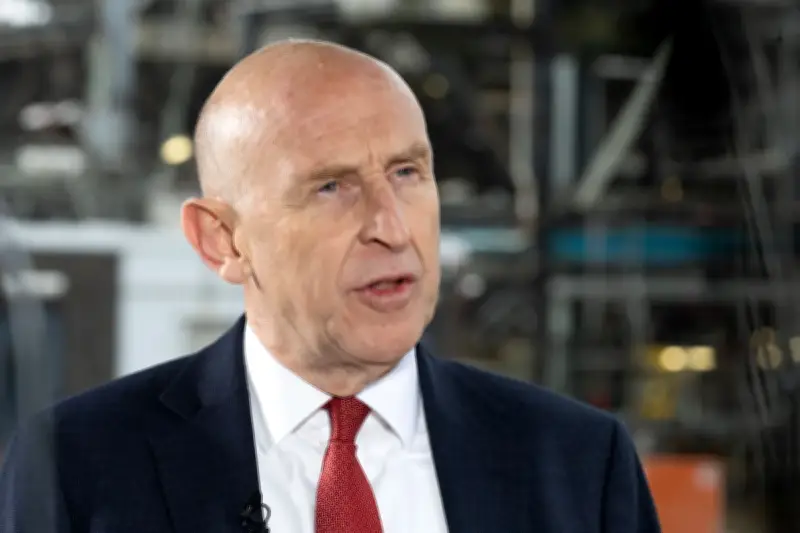
The announcement of increased funding and responsibilities for mayors aims to boost economic growth across the country. Chancellor John Healey said his plan would make the most of “untapped and wasted” potential in English cities and regions.
Devolution and Local Powers
Prime Minister Andy Burnham, a long-time advocate for greater devolution from Whitehall, said the move would prevent local leaders from having to go “cap in hand” to Westminster for investment. The plans, to be formally announced in Wednesday’s Budget, will grant them more flexibility and authority in investment decisions.
The Government has allocated an initial £285 million for next year, aiming to shift away from reliance on various bidding pots managed from Whitehall. In response to criticism from areas without strategic authority status, the Treasury said they will still access a share of the money during the “transitional period”.
The Government will also collaborate with mayors to design a new £1.5 billion borrowing facility from 2028, giving them greater access to capital for projects. The Chancellor said: “Every community in Britain has potential – for too many it has gone untapped and wasted while money and power has been held in Westminster. Mayors and local leaders know what their communities need to grow, which is why we are giving them more money, more power and more capacity to get projects moving, build homes and make the right decisions for their areas.”
Strategic authorities will receive £150 million in funding next year to build their capability to take on new powers and manage complex projects. The Prime Minister said: “I’m calling time on local leaders going cap in hand to Westminster. That is no way to run a country. When I became Prime Minister, I said that if a decision can be made closer to home, it should be.”
Support from Mayors and Reactions
Claire Ward, chairwoman of the UK Mayors Network and Labour’s East Midlands mayor, welcomed the commitment, saying: “Having the right powers and resources through increased devolution will help us to turn our ambitious plans into reality and deliver real, lasting change for our communities.”
Labour’s London Mayor Lord Sadiq Khan said the greater ability to invest could “help unlock transformational infrastructure projects” including the West London Orbital route, the extension of the Bakerloo Underground line and Docklands Light Railway, and the development of Stratford International station.
Mr Healey’s Budget preparations faced a setback on Saturday when the Treasury’s entrepreneurship adviser Alex Depledge announced her resignation, effective Thursday, the day after the Budget statement. In an interview with The Sunday Times, she said start-ups were treated as a “sideshow” and must not be pushed to the “margins of economic policy”, adding: “Keeping scale-ups on the fringes underestimates the contribution of our greatest companies, and we need to support and develop them on British shores at all costs.”
The Tories said Mr Healey should quit as Chancellor unless he shows how defence spending will reach 3% of the economy by 2030. Mr Healey insisted that level was required when he resigned as defence secretary in June, adding to pressure that led to the former prime minister’s exit. Shadow defence secretary James Cartlidge said: “The Chancellor absolutely has to set out his plan for 3% in the Budget – anything less would be a dereliction of duty.”