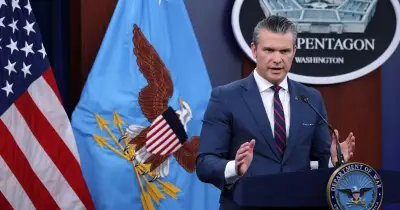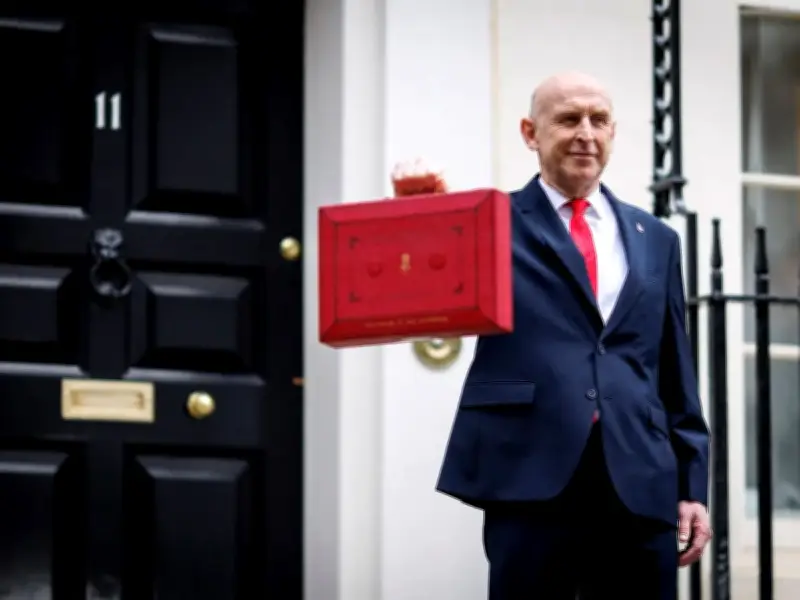
Chancellor John Healey delivered his first Budget speech, lasting 55 minutes, with a series of measures affecting households and businesses across Scotland. From minimum wage rises and energy bill support to changes in alcohol duty and defence spending, here are the 10 key points Scots need to know.
Minimum Wage and Welfare Changes
The minimum wage for both under and over-21s will rise by 3.9 per cent, ending the trend of hiking pay for those aged 18 to 20 on the national minimum wage more than older workers on the national living wage.
The Chancellor also vowed to replace the Carers' Allowance cliff-edge, which has penalised unpaid carers for going over their earnings limit, with a taper system. Parental pay will be expanded to more than 150,000 parents each year, with self-employed fathers and partners made eligible for the first time. Pensioners receiving the state pension are to be shielded from paying income tax this quarter.
Energy Bill Support and Tax Cuts
Healey announced a VAT cut on electricity, which had been expected to end in March 2027, will be extended to July, taking £50 off the annual price cap. The removal of the gas standing charge will come into effect from next year, with similar reforms to follow for electricity.
Twenty million households in England in council tax bands A-D will receive a £100 household energy payment this winter, paid directly into bank accounts. Healey said cash will be made available to the SNP Government to pass on the same payment to households north of the Border. It will be ultimately up to Nationalist ministers to decide how the extra funding will be spent.
Alcohol and Tobacco Duty Increases
Under Healey's plans, the duty charged on every pint sold will rise in line with Retail Prices Index (RPI) inflation, which is set at 3.9 per cent. This will take duty on a pint from 50p to 52p. The increase is expected to add between 10p and 12p to the price of a bottle of wine, depending on its strength, while a bottle of 37.5 per cent gin will rise by 35p.
But Healey also unveiled £10 million in annual tax relief for Britain's small brewers and cider makers. Tobacco duty already increased on October 1, 2026, under plans announced in earlier Budgets. The change has added an estimated £1.21 in duty to a packet of 20 cigarettes and £2.54 to a 30g pouch of rolling tobacco.
Bank Taxes, Motoring, and Defence
Banks are to be subject to higher taxes, with the Chancellor upping the banks' surcharge. Lenders will face a levy of 6%, up from the current 3% they pay in addition to corporation tax of 25%. The levy will begin in January and last for 15 months.
A planned increase in fuel duty has been scrapped to help motorists with the cost of living. Healey said the 5p cut to fuel duty, which was due to end on December 31, would be extended until July 2027. The cut was introduced in spring 2022 to freeze fuel duty at 52.95p per litre for both petrol and diesel. It comes after the cost of diesel hit a record high last month, surpassing the previous record of 199.09p, which was set in June 2022 in the wake of Russia's invasion of Ukraine earlier that year. This means 2026 is on course to be the second-most expensive year on record for drivers to fill up, despite fuel duty having remained at its current rate since 2022.
Healey said he will set out the Government's plan to spend 3.5 per cent of GDP on defence by 2035 at the spending review next year. He told MPs: "This year our defence budget is £14 billion higher than it was in the Conservatives' last year, and at the spending review next year, I confirm that I will set out the details of how we will meet our Nato commitment to spend 3.5 per cent of GDP on defence by 2035, with a target date for 3 per cent in 2030." He added: "And today, I am getting work under way to get there in a fiscally sustainable way. That will include looking hard at public spending, as I have done today to fund the defence investment plan."
Mortgages, Whisky, Savings, and Start-ups
Following the Budget, the Office for Budget Responsibility (OBR) calculated the average effective interest rate on the outstanding stock of mortgages will rise from four per cent in 2026 to five per cent by 2031. That's because mortgage rates have risen in line with the jump in Government bond yields since the Iran war began, which will catch people who roll off mortgages that were fixed when rates were lower. The OBR warned: "Mortgage payments as a share of household disposable income are expected to rise to reach 4¼ per cent in 2031, the highest since 2009 and more than double the 2021 level of two per cent."
The Scotch whisky industry faces a fourth consecutive duty increase on spirits, leading to warnings it will have damaging consequences for the sector and supply chains. The duty increase will see the tax burden on the average bottle of Scotch Whisky rise to 74 per cent. The Scotch Whisky Association said: "We've repeatedly warned that increasing the spirits super tax will not only pile further costs on distillers, but will harm the supply chain and reduce Treasury revenue."
The tax-free cash Isa limit will remain at £20,000, scrapping a plan to reduce it to £12,000. The Lifetime Isa penalty for those buying homes that cost more than £450,000 will end, with a new First Time Buyer Isa replacing it.
The Chancellor announced a series of measures to help entrepreneurs and start-up businesses. He said: "For those just starting out, I'm tripling the trading allowance – the amount you can earn from a new venture tax-free – from £1,000 to £3,000. I'm launching a new Young Entrepreneurs Allowance, which will cover a year of living costs for young founders while they turn their ideas into businesses." He also announced a new scale-up programme to support female founders, and the British Business Bank will double its commitments to women-led businesses and funds to £200 million.