
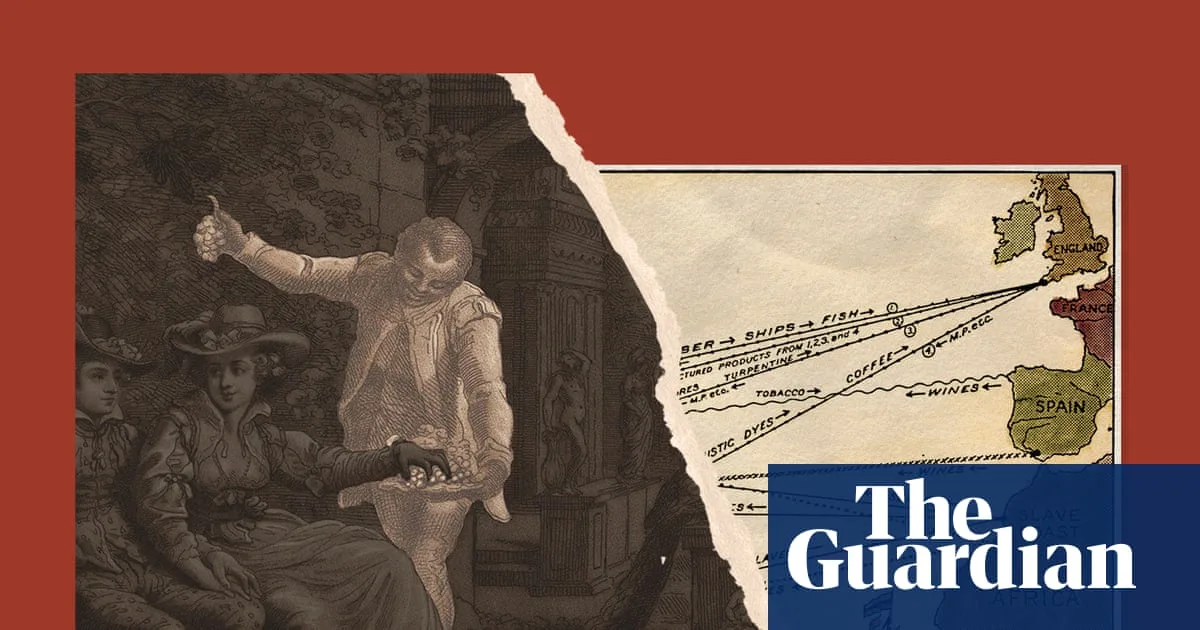
In 1786, a former enslaved man named Quobna Ottobah Cugoano sent a parcel to Carlton House, the London residence of George, Prince of Wales. The package contained pamphlets detailing the horrors of the transatlantic slave trade and a letter urging the heir to the throne to consider the plight of enslaved Africans, whom he described as treated 'in a more unjust and inhuman manner than ever known'. Cugoano’s plea was met with silence from the royal household.
Cugoano had been kidnapped from present-day Ghana aged 13, forced onto a slave ship and sold to a plantation in Grenada. After two years, his enslaver brought him to England in 1772, just after the Somerset case ruled that enslaved people could not be forcibly removed from the country. Cugoano claimed his liberty and was baptised under the alias John Stuart to avoid recapture. He later worked as a servant for the royal painter Richard Cosway, giving him rare access to Britain’s elite.
By the mid-1780s, Cugoano had joined the Sons of Africa, a group of Black activists lobbying MPs and publishing pamphlets against slavery. The group successfully secured the release of a man named Harry Demaine, who had been recaptured and taken onboard a ship bound for the Caribbean. Despite his proximity to power, Cugoano’s direct appeal to the prince was ignored.
In Georgian Britain, Black servants were often treated as fashionable accessories, symbols of wealth and imperial might. Cugoano’s experience highlights how even free Black people faced precariousness and the indifference of the ruling classes. The royal family’s silence on his abolitionist plea reflects a broader historical pattern of neglect.




