
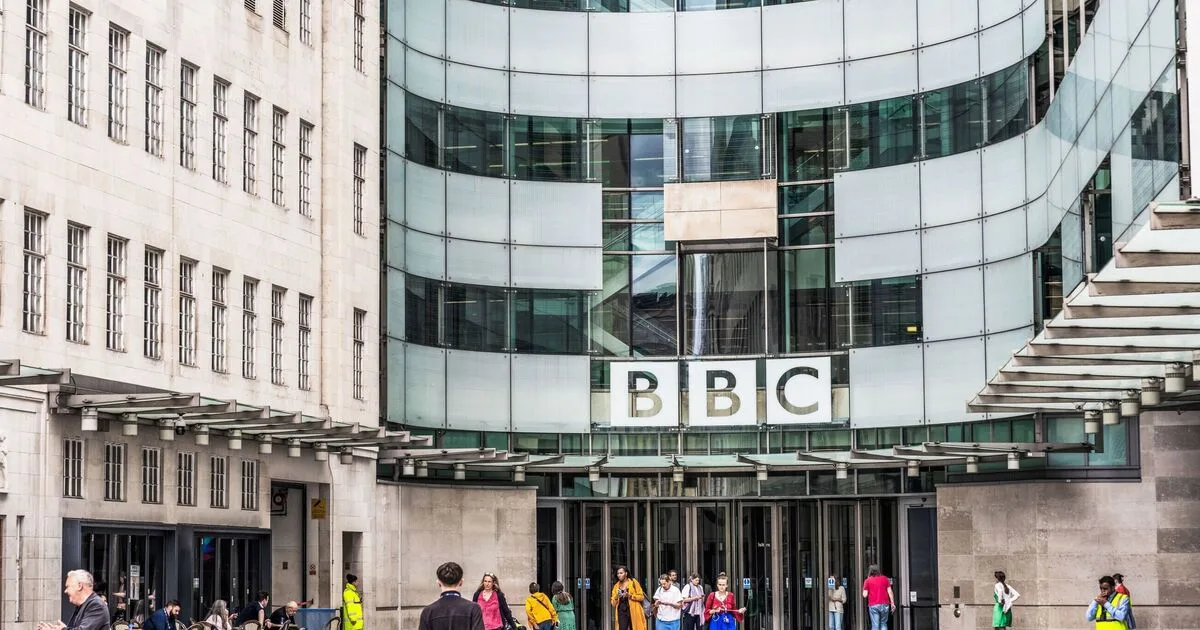
The BBC has sparked controversy after its chairman, Samir Shah, proposed replacing the current flat-rate TV licence fee with a payment structure linked to the value of people's homes. Under the plan, the £174.50 annual fee would be scrapped in favour of a progressive system based on council tax bands, with higher-band properties paying more and lower-band ones paying less.
Shah argued that the change would make the fee fairer, telling The Sunday Times: "Why should people who are poor pay the same as people in wealthy households?" He also ruled out a hybrid model offering free basic services or a Netflix-style subscription, stating that such approaches would not fulfil the BBC's mission to provide content for everyone.
The proposal has drawn sharp criticism from the public, with many pointing out that it would force households that do not watch live TV or use BBC online services to pay. One reader commented: "What about people that do not have a tv or access to the web. Why should they pay for something they don’t have!!!" Another noted: "We don't have a TV licence as we don't watch TV so how is this fair for people like us?"
Separately, Culture Secretary Lisa Nandy has reportedly considered abolishing the licence fee altogether and funding the BBC through general taxation. A Whitehall source told The Times: "Lisa does not believe that the licence fee is financially sustainable. But she believes that our national broadcaster should be owned by the nation." However, it is understood that Nandy has not discussed the idea with Chancellor Rachel Reeves, who is unlikely to support measures that increase the tax burden.
Activist Peter Caulfield has launched a petition against the council tax band proposal, arguing it would "disproportionately burden those on low or fixed incomes, especially those already struggling to pay C.T, and risk penalising everyone while ignoring media consumption or ability to pay." No official action has been taken to alter the current licence fee structure.




