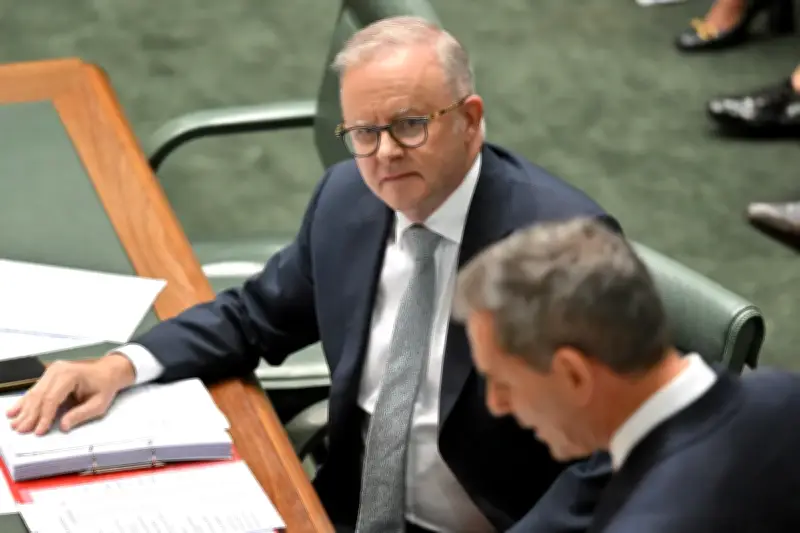
Prime Minister Anthony Albanese ends the final week of parliament for 2026 at his lowest ebb, with global dysfunction lapping on Australia's shorelines and risking to swamp. His approval ratings are now in the low 30s, and his disapproval has hit 60%, a massive shift from the peak of his popularity back in late 2022 when these numbers were inversed.
Global Chaos and Economic Pressures
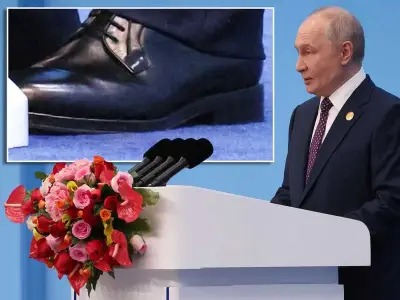
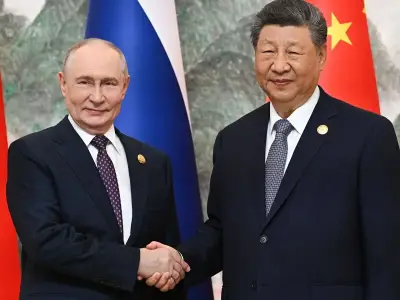
In the past week, Albanese has had a ringside seat to the cascade of crazy as Trump, Xi and Putin parlay like the heads of crime families, the annual climate talks end in disarray, and a compromised CEO whose chips are powering the AI arms race returns to power. The frustration was evident in the treasurer's economic statement, which noted that despite unwelcome commentary from the Reserve Bank on government spending, living costs are being driven by geopolitical chaos and bro-bubbles beyond Australia's control.
Prime ministers rarely become more popular in office. In recent times, only Kevin Rudd when he was handing out GFC stimulus and Scott Morrison when he was doing the same to keep the economy alive during the pandemic have experienced surges in love. The economic challenges are very different this cycle. The US and Israel's ill-advised war in Iran has driven up oil prices, meaning just about everything on a household budget – from food to fuel, housing to holidays – has gone up.
Wicked Politics of Austerity
While the pressure is to simply cut spending, the government is faced with the sorts of political choices that are never popular. When asked to nominate whether the government should spend more or less on core budget items, most people wanted more, not less. The only area where appetite for spending cuts is more than lukewarm is Aukus, the fiscal behemoth the government will not touch.
This is the wicked politics of austerity; to stop price rises, money must be removed from people who expect it, whether it is the US military-industrial complex or an NDIS recipient. It is pretty clear who is to blame when the tap is turned off.
Personal Stumbles and AI Challenges
Beyond the economics, Albanese has been creating a particular brand of personal stumble, the one you deny having ever made. It started with the stage at the miners conference in the last election campaign, matured through the melon-gate incident and really caught fire when an unfortunate shit-sheet became a certification of achievement. If there has been some personal growth, it may have been in his fessing up to a hot mic joke at the ill-fated Cop31 summit.
These weird character traits speak to a broader grumpiness with reality that seeps through when the PM faces pressure. Witness his snarky put down of Jimmy Barnes when asked about his views on AI copyright the other week. These irritations won't abate in the new year as he faces a local electorate contest from independent Hannah Ferguson, who has her own social media outfit and all the skills to poke and prod and hold the PM to account.
So is Albo terminal? Of course not. His strength has always been to play the long game, to find his way through wicked problems and to find a political landing. That is why he is in the Lodge. No more are those qualities needed than in navigating the complex challenges that AI technology poses. The high point of his year could well have been his University of Sydney speech when he set out a nuanced approach to regulating and harnessing this emerging technology.
Since then it's been a hard slog. The government is facing pressure from frontier labs wanting to base their training centres here. Creatives are adamant their property rights have been breached and must be honoured. Workers are seeing jobs cut in the name of this new technology, and parents are demanding tighter controls. In the past 24 hours, groundbreaking duty of care laws have passed into law, while a joint select committee has provided the government with the hint of a bipartisan roadmap to scaling the industry.
There is a growing disconnect between leaders committed to the rapid rollout and deployment of AI infrastructure and communities concerned about the general direction of a technology that is built to disrupt jobs and culture. Scaling an economic and national security policy around an infrastructure rollout the public doesn't want will take all of the PM's political skills, particularly with the ongoing economic troubles.
The next election is 18 months away. The world is moving at warp speed. But if solving problems and navigating ways through a world on the edge of chaos is the PM's skill set, then this might be his best chance to rebuild public confidence in his leadership.