
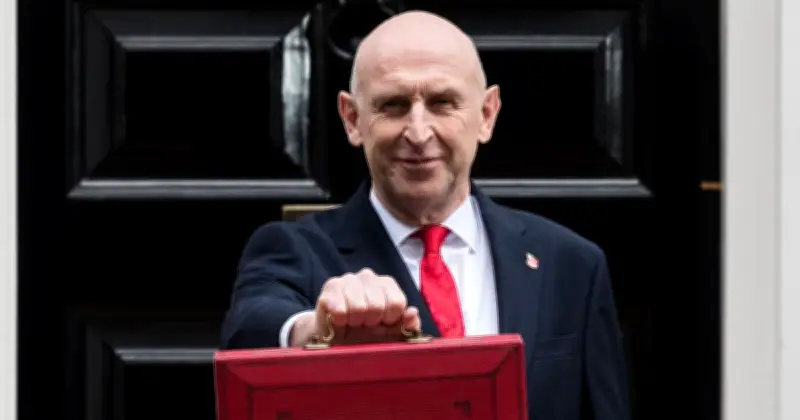
Chancellor John Healey has set out the government's spending plans for the year ahead in his first Budget, pledging to give families and businesses breathing space from rising costs, including action on energy bills, motoring costs, wages and the everyday cost of living.
He said the Budget is built on "fiscal discipline" and is for "the working people of Britain, for British businesses, big and small". Here are 15 of the major announcements from Wednesday's Budget and what they mean for your money.
Energy Bill Support
Around 20 million households in council tax bands A to D will get £100 from the government this winter to help with energy bills. The payment will be issued directly into bank accounts, with the support costing £2.6 billion.
The government will ask Ofgem to abolish gas standing charges and move them to unit rates for around 23 million homes from 2027, saving the typical home £108 per year on average. A previously announced VAT cut on household electricity bills will be extended until July 1, 2027, taking around £50 off the Ofgem annual price cap in April 2027.
Pay and Pensions
Parental pay will be extended to more than 160,000 additional parents, including self-employed dads and partners who have previously missed out. The change will give eligible parents two weeks of support currently worth up to £194.32 per week.
The National Living Wage for over-21s will increase by 3.9% to £13.21 per hour on April 1, 2027, representing an increase of £910 to the gross annual earnings of a full-time worker, according to the Government. The National Minimum Wage for 18 to 20 year-olds will also rise by 3.9% from next April, taking rates from £10.85 per hour up to £11.27 in the 2027 to 2028 tax year.
Pensioners on low incomes will be shielded from income tax as a new tax allowance is to be introduced if increases to their payments take them over the personal allowance threshold of £12,570.
Motoring and Savings
The 5p cut to fuel duty has been extended for a further six months at 52p a litre, cancelling a planned increase set for January. The government said its decisions on fuel duty across this Parliament will save the average car driver £230.
The UK government has committed to locking in the 55p per mile tax-free allowance rate for people who use their own cars and vans for business travel. The rate above 10,000 miles will increase from 25p to 35p per mile, providing £120 per year in additional tax savings for a worker doing 6,000 business miles, while someone driving 15,000 business miles could receive up to £300 in additional tax savings.
The tax-free cash ISA limit will remain at £20,000, scrapping plans to cut it to £12,000 for savers under 65. The Lifetime ISA penalty for those buying homes that cost more than £450,000 will end, with a new First Time Buyer ISA replacing it.
Everyday Costs and Homes
The costs for charging electric vehicles will be cut at local, lower-powered public chargers, saving drivers who rely on them £150 per year on average. The Chancellor is replacing the Carers' Allowance cliff-edge with a taper system so only £1 of support will taper away for every additional £1 earned.
Tariffs will be removed from more than 100 products, helping lower import costs on family favourites including baked beans and chocolate, alongside tariff cuts on kerosene and fertiliser. Together with tariff suspensions already introduced, households could save up to £21 on their food shop each year.
The new Warm Homes Loan Scheme will reduce the cost of borrowing to help spread the upfront cost of improvements, including installing a heat pump, battery and solar panels which could cut energy bills by up to £550 a year. A new scheme will help 70,000 people onto the property ladder and save first time buyers hundreds of pounds a month.




