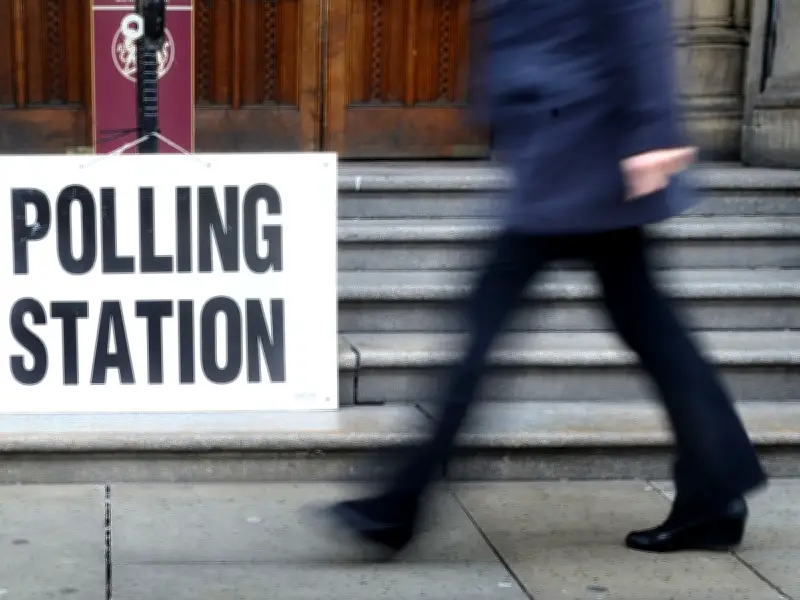
Greater Manchester residents have endured a string of elections: local elections, Gorton and Denton by-election, Makerfield by-election, and now a mayoral election. This has led to democracy fatigue. The next mayor will shape transport, policing, housing, jobs, and investment for years. Andy Burnham is not on the ballot this time, making it the first election without an "Andy" in charge.
The Power of the Mayoral Role
The mayor of Greater Manchester is one of the most influential political jobs outside Westminster. The person elected will help shape everything from buses and potholes to bins, traffic, housing, and crime. While people are quick to complain about these issues, the election offers a chance to effect real change.
The Risk of Low Turnout
Turnout in mayoral elections has struggled since creation, at 29% in 2017. This year's low-key campaign has been overshadowed by Burnham's departure to Westminster and Nigel Farage's contest in Clacton-on-Sea. Turnout could be even lower than 29%. If less than three in ten eligible voters choose the next mayor, that is a concern. However, democracy works best when people take part. Those who choose not to vote should not be surprised if others make decisions for them.
Voting ensures the right to complain if things do not go to plan. Without voting, that right is lost.