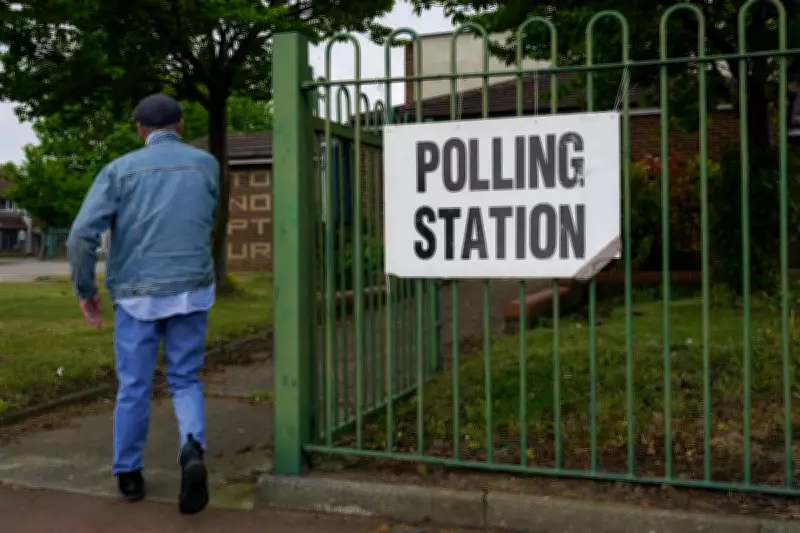
Voters across the UK are heading to polling stations for elections to the Welsh and Scottish parliaments, as well as thousands of English council seats. Since May 2023, photographic identification has been mandatory for certain elections under the Elections Act 2022, a recommendation first made by the Electoral Commission in 2014.
Where is voter ID required?
Voter ID is now compulsory for by-elections, recall petitions, general elections, local elections, and referendums in England, as well as Police and Crime Commissioner elections in England and Wales. However, the rules do not apply to elections for the Scottish Parliament (Holyrood) or the Welsh Parliament (Senedd), where no ID is needed.
What ID is accepted?
Only photographic ID is accepted. Bank cards are not valid. Acceptable forms include:

- UK, Channel Islands, Isle of Man, British Overseas Territory, EEA, or Commonwealth passport
- UK, Channel Islands, Isle of Man, or EEA driving licence (including provisional)
- Blue Badge
- Older Person's Bus Pass
- Disabled Person's Bus Pass
- Freedom Pass
- PASS card (Proof of Age Standards Scheme)
- Biometric immigration document
- Ministry of Defence Form 90 (Defence Identity Card)
- EEA national identity card
- Anonymous Elector's Document
Out-of-date photo ID is accepted if it still resembles you. A full list is on the Electoral Commission website.
What if you don't have ID?
You can apply for a free Voter Authority Certificate via the Electoral Commission website. It does not expire, but reapplication every 10 years is recommended. The deadline for the 7 May 2026 elections was 28 April, so it is now too late.
Controversies around voter ID
The government argues the law prevents personation fraud, but critics note electoral fraud is rare: between 2018 and 2022, only 11 of 1,386 alleged cases led to convictions. Research shows those with disabilities, unemployed, without qualifications, or never-voters are least likely to hold photo ID. A Commons report estimated 1.1 million fewer voters could participate. Liberty called it "an opportunistic attack on marginalised people." The exclusion of 16-25 and 26-30 railcards, while older persons' bus passes are accepted, has also drawn criticism.