
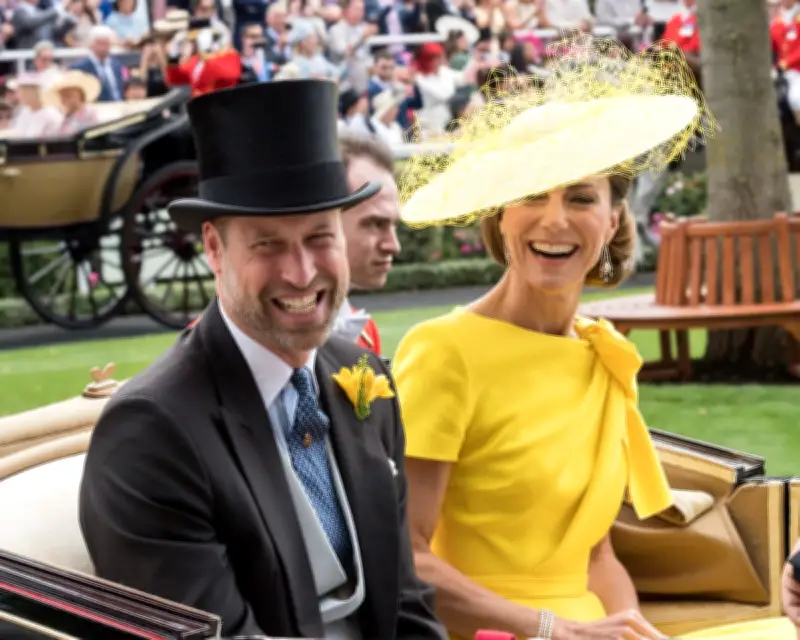
The monarchy's core funding is set to double to £100 million, as revealed in a recent government announcement, alongside news that the refurbishment of Buckingham Palace is costing £369 million, yet the King and Queen do not plan to reside there upon completion. This substantial increase has sparked debate over the royal family's work ethic and the broader implications of state support for the Windsors.
Prince William's Engagement Record Questioned
According to research by former MP Norman Baker, Prince William has undertaken only 57 royal engagements so far this year, a figure that pales in comparison to the 76 engagements completed by King Charles III, who is 77 and undergoing cancer treatment. Princess Anne leads the family with 100 engagements. Critics argue that William's low engagement count raises questions about his productivity, especially given his focus on mental health advocacy. The prince, who is 44, has been accused of deprioritizing public duties in favor of boosting his private finances.
Tax Payments Reveal Wealth
The same week, it was revealed that Prince William paid £7.76 million in tax last year after deductions, while King Charles paid £12.9 million, placing him among the top 100 UK taxpayers. These figures highlight the immense wealth of the royal family, even as they receive increased state funding. The sovereign grant, which covers official expenses, is set to double, leading some to question whether the monarchy is becoming overly dependent on taxpayer money.
Comparisons to Other Royals
Marina Hyde, a Guardian columnist, draws comparisons to other European royals, noting that Prince Andrew once complained about the scrutiny he faced compared to Monaco's Prince Albert, who works 12-hour days. Andrew, who was involved in the Jeffrey Epstein scandal, has been criticized for his own lack of productivity. Hyde suggests that the royal family's funding model may discourage work, creating a 'royalty trap' similar to the poverty trap.
Public Perception and Soft Power
Despite the controversy, the royal family remains a significant brand asset for the UK, contributing to soft power and tourism. However, Hyde argues that a less extravagant funding model could still achieve these benefits. The doubling of funding comes at a time when many Britons face economic hardship, raising questions about priorities. The debate continues over whether the monarchy's financial support is justified.




