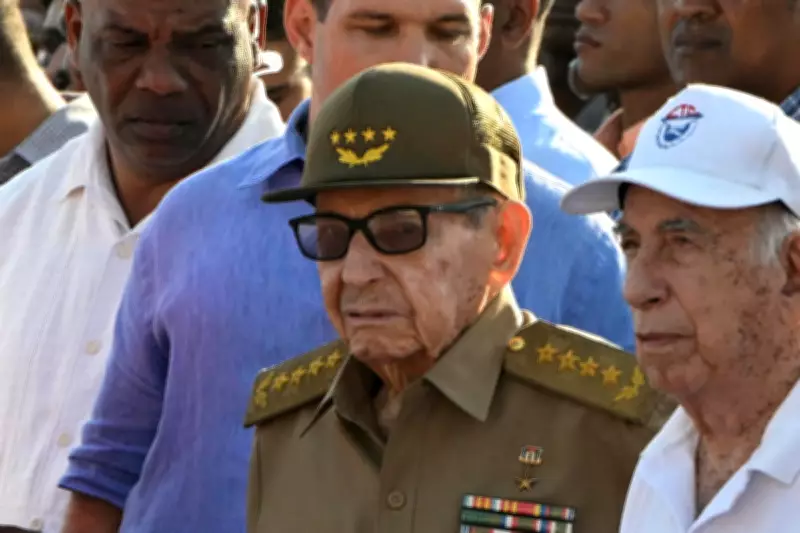
The United States has indicted former Cuban President Raul Castro on murder charges, marking a significant deterioration in bilateral relations between the two countries. The 94-year-old Castro, who led Cuba from 2008 to 2018, is accused in connection with a 1996 incident in which Cuban jets shot down two civilian aircraft operated by Cuban exiles, resulting in the deaths of four people. At the time, Castro served as Cuba's defense minister.
Background of the Indictment
The charges are part of the Trump administration's broader strategy to pressure Cuba towards regime change. This strategy has included intensified economic sanctions and harsh rhetoric against the Cuban government. The indictment underscores the administration's commitment to holding Cuban officials accountable for actions deemed criminal under U.S. law.
Legal and Diplomatic Implications
Raul Castro remains in Cuba, and there is no indication that he has left the island or that the Cuban government would allow his extradition to the United States. The indictment is largely symbolic, as Cuba does not have an extradition treaty with the U.S. and has consistently rejected U.S. jurisdiction over its officials.

In response, Cuban President Miguel Diaz-Canel has denied that Cuba poses any threat to the United States and criticized Washington's actions. Cuban Foreign Minister Bruno Rodriguez dismissed a recent U.S. aid offer as cynical, given the ongoing economic blockade imposed by the U.S. on Cuba.
Broader Context
The indictment comes amid a long history of tension between the U.S. and Cuba, dating back to the Cold War era. The Trump administration has reversed many of the Obama-era policies that sought to normalize relations with the island nation. The murder charges against Raul Castro are likely to further strain any prospects for diplomatic engagement.
Critics argue that the indictment is a political move with little practical effect, as Castro is unlikely to face trial. Supporters, however, view it as a necessary step to seek justice for the victims of the 1996 shootdown. The incident remains a sore point in U.S.-Cuba relations, with the U.S. government maintaining that the attack was unjustified and illegal under international law.