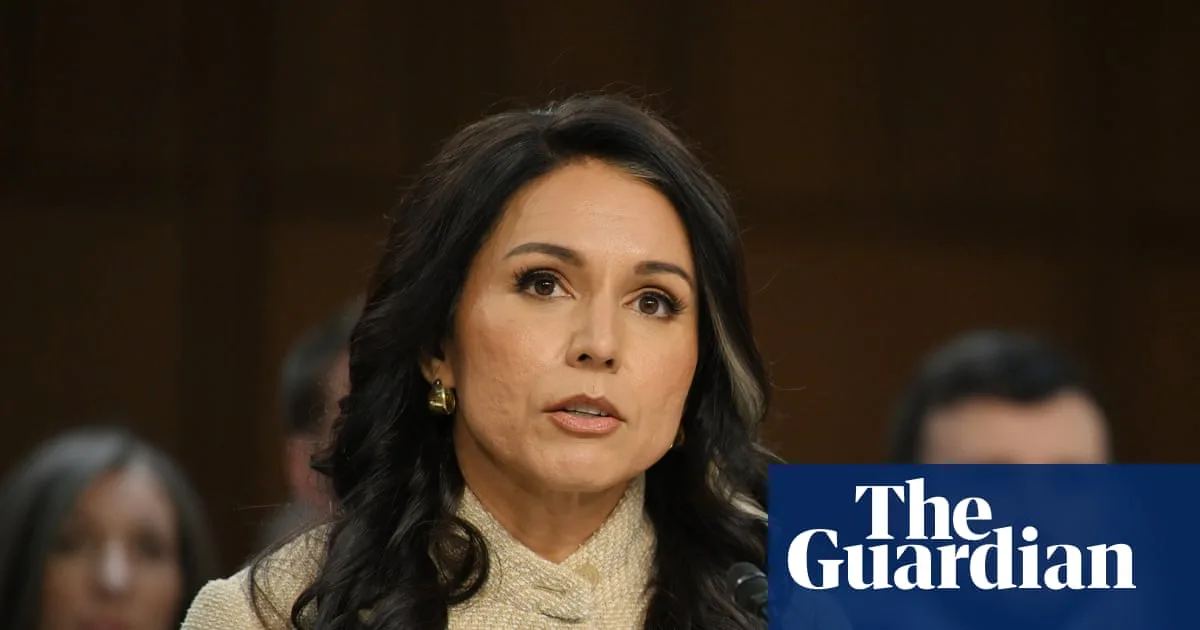
Tulsi Gabbard is stepping down as US director of national intelligence (DNI) after a tumultuous period in which she was largely sidelined from key operations, including those concerning Iran and Venezuela. Her resignation, effective 30 June, was reportedly forced by the White House, according to Reuters.
In a letter to President Donald Trump, Gabbard cited her husband's cancer diagnosis as the reason for her departure. Trump confirmed the news on his Truth Social platform, praising Gabbard's work and announcing that Aaron Lukas, principal deputy director of national intelligence, would serve as acting DNI.
Gabbard's tenure was marked by controversy and marginalisation. She was excluded from decision-making on the seizure of Venezuelan President Nicolás Maduro in January and from discussions on renewed military strikes on Iran in February. Her assessment that Iran was not building a nuclear weapon was publicly dismissed by Trump as 'wrong'.
To regain favour, Gabbard called for the prosecution of former President Barack Obama and top national security officials, alleging a 'treasonous conspiracy' over Russian election interference. She also provoked outrage by appearing at an FBI raid on 2020 election ballots, a move seen as aligning with Trump's agenda.
Critics, including Democratic Senator Adam Schiff, accused Gabbard of politicising intelligence and undermining national security. Senator Mark Warner expressed hope that her successor would restore integrity to the office. Gabbard's nomination had faced scrutiny over her past meetings with Syrian President Bashar al-Assad and her alignment with Kremlin talking points on Ukraine.