The US State Department has announced its intention to dismantle the International Criminal Court (ICC) 'brick by brick,' a move that could be Donald Trump's most frightening, according to Steve Bloomfield, former international editor of the Observer.
This is not an idle social media post but official US policy, with the administration prepared to go to extraordinary lengths. Nations that do not fall into line will be punished, including increased scrutiny of those that refuse to reject the ICC's authority while relying on US assistance, such as the UK, which contributes over £15m a year to the ICC.
Sanctions and Threats
Travel and sanctions bans have already been imposed on judges and senior officials, with more to come. Those threatened can be cut off from modern life, with personal bank accounts shut down and US apps and websites blocked. The State Department campaign also includes working with non-ICC nations like Russia and China.

This is an existential crisis for the ICC and the idea of international justice. The US, the most powerful nation and supposed leader of the democratic West, is aligning with dictators to prevent those accused of genocide from facing justice.
US History with International Justice
The US has had a complicated history. It was integral to the Nuremberg trials but reluctant to ratify the genocide convention until 1988. The issue has always been self-preservation. Until now, US presidents accepted international justice even if they did not want it to apply to them. The US refused to sign the Rome statute in 2002 but did not prevent its creation. Under Biden, it encouraged the ICC to prosecute Putin.
For Trump, the ICC has always been a threat. He imposed sanctions during his first term after an investigation into US troops in Afghanistan. After returning to office, he issued fresh sanctions on ICC officials following an arrest warrant for Israel's Prime Minister Benjamin Netanyahu.
Internal Challenges
Threats to the ICC also come from within. Two women have accused chief prosecutor Karim Khan of sexual abuse, which he denies. The ICC's governing body voted to suspend Khan after concluding serious misconduct. Member states will vote on his removal. Staff describe a toxic atmosphere, and experts note the ICC has botched big cases, such as those against Uhuru Kenyatta and William Ruto.
The question is what the 'rest of the west' will do. The court's biggest donors must stay strong. Ed Miliband, upon becoming foreign secretary, said 'we face a time of greater instability and threat to international law than at any time since the second world war.'
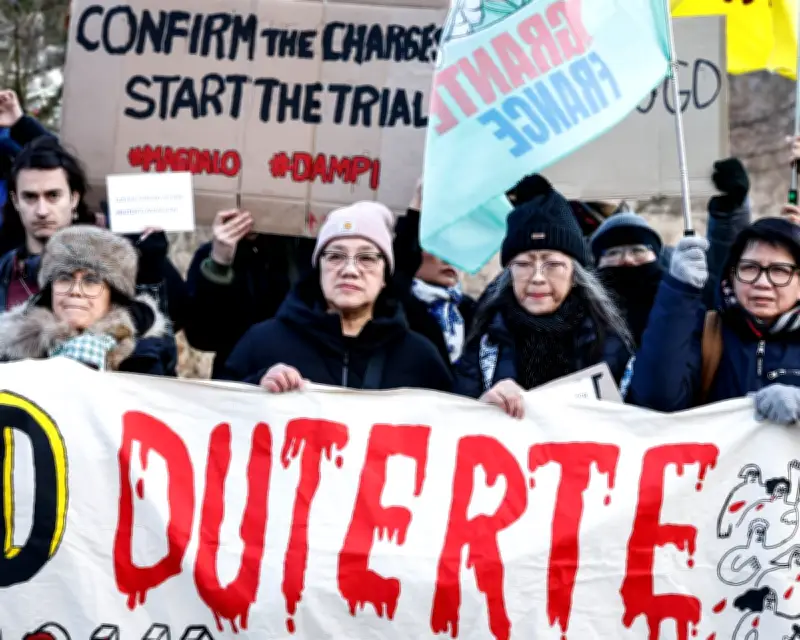
The ICC's imperfections make it harder to defend, but its existence has impact. Netanyahu and Putin are forever referred to as men indicted for war crimes. Rodrigo Duterte is on trial for crimes against humanity. Luis Moreno Ocampo, the court's first chief prosecutor, argues Trump is determined to shut it down because 'Trump knows he could be a target after he leaves office.'
Actions need consequences. After the US midterms, a Democrat-led Congress may investigate Trump's actions. The rest of the world must hold him accountable, just as Putin and Netanyahu live with the threat of arrest. Trump fears this fate and cannot be allowed to escape it.