Donald Trump's ongoing battle with the US Federal Reserve has reached the Supreme Court, where justices this week appeared highly sceptical of the president's decision to fire a Fed governor. The case centres on Lisa Cook, who was removed from her post in August over allegations of mortgage fraud. The White House appealed after a lower court temporarily reinstated her, but during oral arguments, several justices questioned whether the president had overstepped his authority.
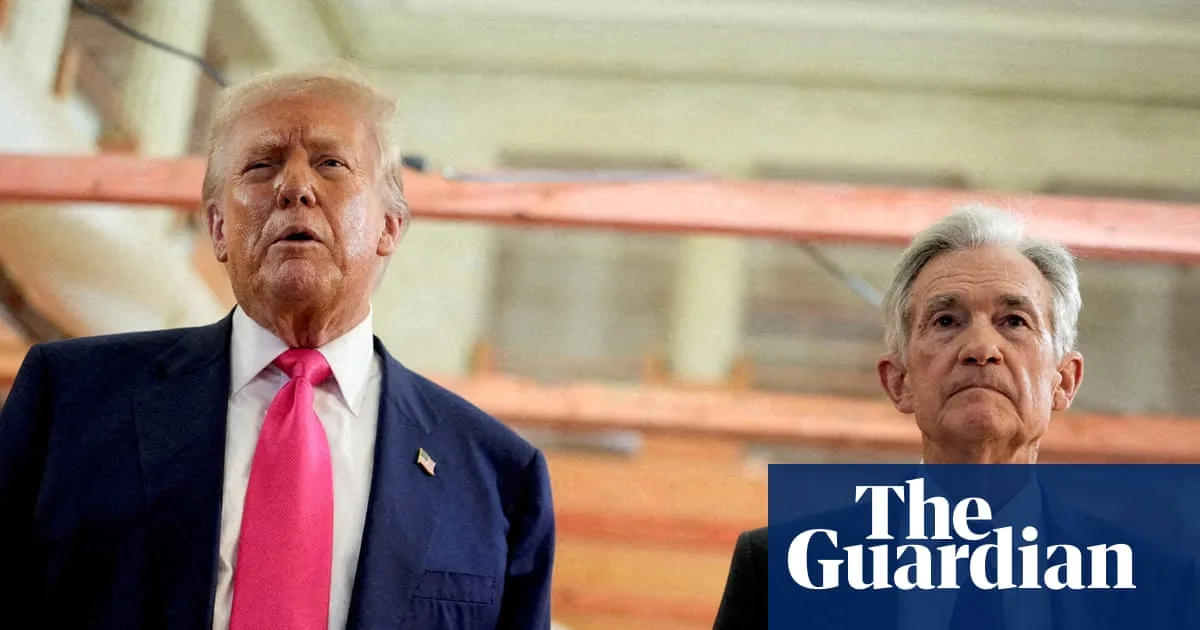
The confrontation is part of a broader pattern of pressure on the central bank. Trump has repeatedly attacked Fed chair Jerome Powell, calling him 'stupid' and threatening to dismiss him over interest rate policy. The justice department has also opened a criminal investigation into Powell's testimony about renovations at the Fed's headquarters. Despite this, the Fed has held its ground, and the Supreme Court's reaction suggests it may be unwilling to hand the president unchecked power over the institution.
Legal experts caution, however, that a ruling favouring Cook may not signal a wider curb on presidential power. Michael Dorf, a law professor at Cornell University, warned that the court has been 'making war on independent agencies at the worst possible moment' – when Trump is seeking to centralise control and install loyalists. The justices appear to be carving out a special exception for the Fed, rather than rejecting the unitary executive theory that underpins Trump's dismissals of other officials.
Cook's firing was abrupt, with no formal hearing or investigation into the mortgage allegations. Her lawyers argue the mislabelling of properties was an inadvertent mistake, and the case raises questions about due process and whether conduct predating her appointment can justify removal. The Fed is designed as a quasi-independent agency, with officials removable only 'for cause', though the law does not define that term.
The outcome could have global economic consequences, as the Fed's independence is seen as crucial to monetary stability. Meanwhile, Trump has previously fired members of the National Labor Relations Board and a Federal Trade Commissioner, with the Supreme Court allowing those dismissals to stand. This week's arguments suggest the Fed may be treated differently, but experts remain wary that the court is merely delaying a broader expansion of executive power.