The Tasmanian government has issued a formal apology for a decades-long practice in which body parts taken during autopsies were retained and displayed in a university pathology museum without the knowledge or consent of grieving families.
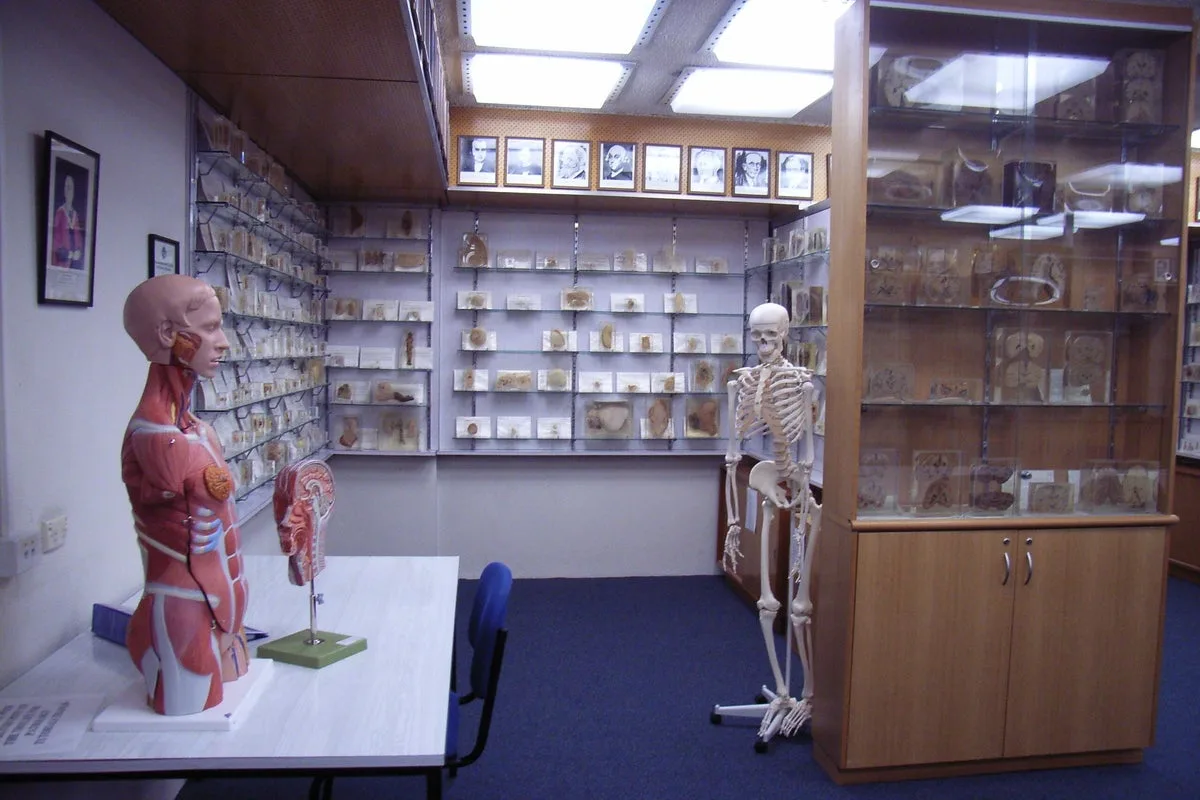
Health minister Bridget Archer delivered the apology in the Tasmanian parliament on Tuesday as relatives of some of the deceased gathered in Hobart seeking accountability. The scandal, which stretched from 1966 to 1991, involved specimens housed at the RA Rodda Museum of Pathology, established for teaching and medical research. A coronial investigation later found that 177 human specimens had been kept, with around 100 eventually identified.
“Although these historical practices ended 35 years ago, the deep impact this has had on the families and loved ones of the deceased continues to this day,” Ms Archer told parliament. “It’s important to remember that these were not just body parts or specimens or human remains. They were people.”
The issue came to public attention in 2016 after concerns were raised about specimens held at the museum. A coronial investigation launched in 2023 found that pathologists actively sourced organs and tissues during autopsies before transferring them to the museum without family permission or coronial approval. The specimens, including organs and tissue samples, were removed from display in 2018.
John Santi was 13 when his brother Tony died in a motorcycle crash near Hobart in 1976 at the age of 19. Nearly 50 years later, he discovered that part of his brother’s brain had been retained without the family’s knowledge. “To have to rebury your brother 50 years apart is inconceivable,” he said. Another family member, Cheryl Springfield, said learning that part of her 14-year-old brother’s body had been taken after he died in a car accident in 1976 left her family devastated.
The Tasmanian health department has identified five individuals believed to have been involved in the practice, in addition to the late forensic pathologist Royal Cummings who supplied most of the specimens. None remain employed by the department and two have since died. The matter has been referred to the Director of Public Prosecutions for consideration. Graeme Zosky, deputy vice chancellor for health at the University of Tasmania, also apologised, saying: “While we recognise an apology cannot fix the hurt and distress families have felt, we’re sorry.”