From ISIS Recruit to TikTok Influencer: Tareena Shakil's Unlikely Reinvention
Tareena Shakil: From ISIS Recruit to TikTok Influencer

From ISIS Recruit to TikTok Influencer: Tareena Shakil's Unlikely Reinvention

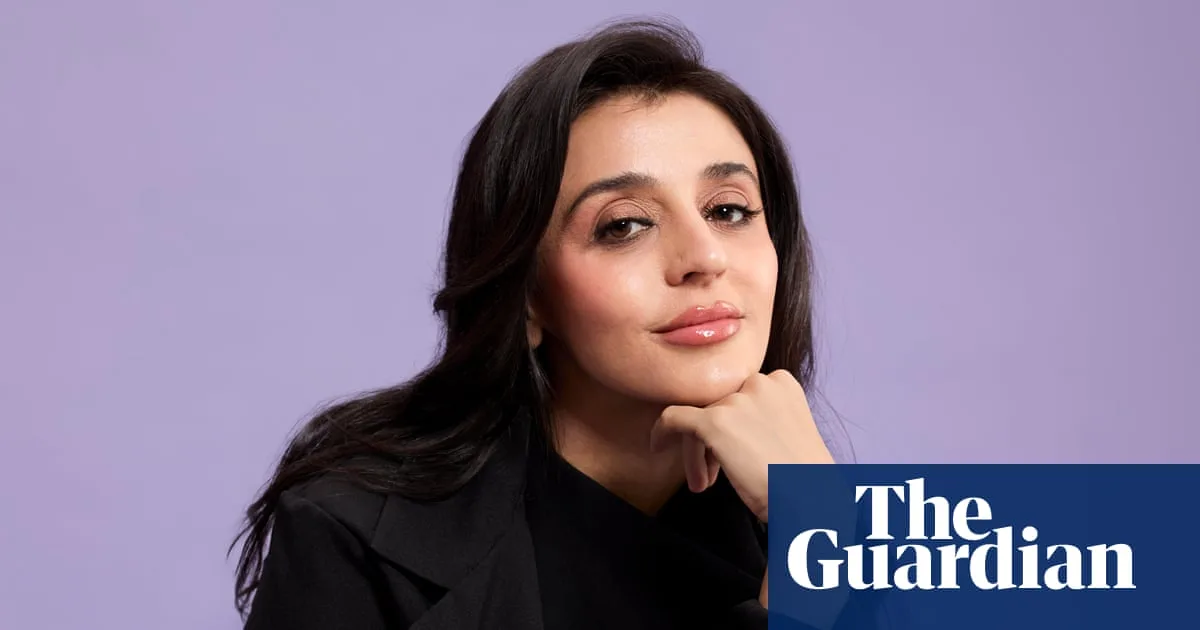
If you encountered Tareena Shakil today, you would never guess that the glamorous, bubbly woman before you holds the distinction of being the first British woman convicted of joining Islamic State. Now 36 years old, Shakil presents a polished image with long, tousled hair, a sharply tailored dress, and a Louis Vuitton handbag, meeting at a plush hotel in Birmingham. Her warm, open demeanour starkly contrasts with the typical associations of a terrorism conviction, instead resembling a modern social media influencer—which is precisely what she is striving to become.

A Surprising Turn to Content Creation

Shakil has gained significant traction on TikTok, where her profile boasts around 50,000 followers. She offers relationship advice, often filmed in her car, speaking directly to the camera. Her content blends humour, such as joking about Muslim men fasting at the gym, with insights into dating dynamics, like emphasising men's natural hunting instincts. Interspersed are darker warnings, like urging victims to leave abusive partners regardless of apologies. While she never directly references her past, Shakil admits that her own experiences subtly influence most of her videos.

This pivot to content creation is a surprising segue for someone who first gained notoriety in 2014 by fleeing the UK for Syria with her one-year-old son. Shakil was among an estimated 900 Britons, including about 150 women, who journeyed to Islamic State-held territory during its five-year reign. Dubbed "the Towie jihadi" by tabloids, she quickly realised her mistake and escaped after less than three months, but those months have irrevocably shaped her life.

Wide Pickt banner — collaborative shopping lists app for Telegram, phone mockup with grocery list

A Chaotic Upbringing and a Search for Escape

Growing up in Burton upon Trent, Shakil's childhood was marked by instability, with her father in and out of prison and exposure to violent relationships. Despite being a prefect and studying psychology at university, she dropped out at 20 after marrying, seeking a "happy ever after" that never materialised. Isolated and in a turbulent marriage, she turned to religion during pregnancy, finding solace in prayer as her life grew more difficult.

In July 2014, while her husband was abroad, Shakil reactivated her Facebook and connected with a recruiter in Syria. Sold on the idea of a simple, spiritual life under sharia law, she was convinced it was her duty to migrate. Vulnerable and wanting to punish her husband, she booked flights to Turkey for herself and her son within five weeks, a decision she now acknowledges as selfish and immature.

Life in Syria and a Daring Escape

Upon arriving in Syria, Shakil was placed in a house with about 60 other women and children, facing pressure to marry and produce future fighters. Confined and supervised, she soon realised her error, especially after seeing her face on the front page of the Sun. Moved to Raqqa, she endured airstrikes and feared for her son's safety, resolving to escape.

In January 2015, using her impulsivity to her advantage, Shakil bribed a taxi driver and fled with her son, running through mud and barbed wire to Turkish soldiers. After six weeks in a detention centre, they returned to the UK, where she was arrested and her son taken into care. Initially lying to police, she was later charged with joining IS and encouraging terrorism, based on messages and photos, including one of her son with an AK-47.

Prison, Deradicalisation, and Rebuilding

Found guilty and sentenced to six years, Shakil used her incarceration to engage in therapy, domestic violence courses, and deradicalisation. With the help of a prison imam, she redefined her faith, rejecting IS's brutality. Released in 2019 after serving half her sentence, she faced strict probation terms, including an ankle tag and curfew, but worked multiple jobs to rebuild her life.

Shakil's story contrasts sharply with that of Shamima Begum, who was stripped of her citizenship. While Shakil believes in redemption, she emphasises their differences, noting her own escape versus Begum's prolonged stay. Post-release, Shakil made media appearances to discuss grooming and radicalisation, though a planned charity never materialised.

Pickt after-article banner — collaborative shopping lists app with family illustration

Embracing a New Identity on Social Media

Now, Shakil focuses on controlling her narrative through TikTok and Instagram, promoting self-respect and hope. She carries a tripod and ring light, ready to create content that showcases her transformed life. Despite being monitored by police until 2034, she no longer dreams of rescue, declaring, "I think I'm my own knight in shining armour." Her journey from infamy to influencer raises profound questions about second chances and the possibility of redemption after tumultuous beginnings.