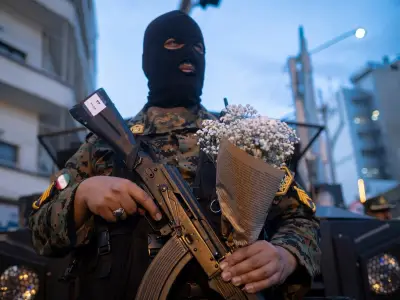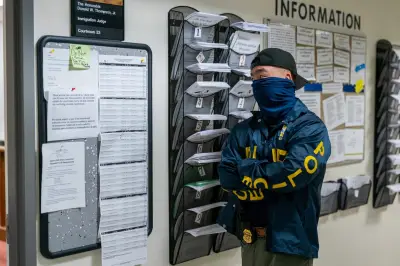
The arrest of Amjad Youssef, a Syrian intelligence officer involved in the 2013 Tadamon massacres, sparked celebrations among victims and activists. Ahmad al-Homsi, an activist with the Tadamon Coordination Committee, described the joy as people slaughtered livestock in the streets. However, his elation turned to anger when the interior ministry released a forced confession in which Youssef claimed he acted alone.
Critics argue that the new government is prioritising security over justice, making deals with former regime figures while showcasing selective arrests. Ali Aljasem, a researcher at Utrecht University, called it 'performative justice', where a few individuals are scapegoated to distract from broader accountability. The trial of Assad's cousin Atef Najib has been hailed as a step forward, but experts warn it may be insufficient.
Nousha Kabawat of the International Centre for Transitional Justice emphasised that transitional justice must rebuild society and trust, not just punish a few. She urged that Syrians be treated as partners, not spectators. Aljasem warned that deals with war profiteers like Mohammed Hamsho and Samer Foz risk reproducing authoritarian structures. The government has also shielded some security officials in exchange for intelligence to quell insurgency.

The role of Fadi Saqr, a former NDF commander accused of involvement in the Tadamon killings, highlights the dilemma. He mediates between old and new guards, aiding arrests while himself evading justice. Aljasem noted that even those protecting Saqr acknowledge his criminality but find him useful. The tension between security and justice remains unresolved as Syria navigates its post-Assad future.