In 2004, I got into a black taxi driven by a rapist. I was 23, and two months earlier I had moved from Belfast to London for my first 'proper job' as a junior writer at a men's magazine. That night was one of FHM's big events, and the entire editorial team was dressed up smartly, with some work to do—such as interviewing celebrity guests—but mainly to drink free cocktails and mingle. Around midnight, the office manager, Dani, grabbed me and said, 'You know you can expense a black taxi home tonight, don't you? Don't mess around with night buses; this is a work event and we'll get you home safe.' I remember the relief of being spared the 75-minute night bus journey from the West End to Fulham.
Later on, I called it a night and found a cash machine to withdraw £50, something I had never done before because I was far too short on funds for black cabs. I was most definitely drunk, swaying on my high heels in the black velvet dress I had bought from TK Maxx. Near Leicester Square, I flagged down my first-ever black taxi. When I slid into the back seat, I cheerfully asked the middle-aged driver how his night was going, and his eyes darted at me in the rearview mirror. At the first set of traffic lights, he cleared his throat, reached down into the footwell of the passenger side, and pulled out a bottle of cheap cava. 'I've had a big win on the lottery today, and since I can't drink because I'm working, I'm offering all of my fares a glass of champagne to celebrate,' he said.
I said no. But I did not say no because I was suspicious. I said no because I was heavily intoxicated. I was suddenly aware that I had to be at my desk back in the West End by 9:30 am, and I was in sobering-up mode. If he had offered me water, I would have drunk it.

This was 2004, and drink-spiking and drug-assisted rape were not something I thought about much. Besides, everyone knows black cabs are supposed to be safe; expensive, but safe. Everyone knows black cab drivers are knowledgeable and vetted, a bragged-about London institution. Everyone knows that getting an official black taxi home after a night out is the safest way to get home. Being offered a glass of 'champagne' by a driver seemed unusual, but not alarming.
He repeated this offer a few times, and I felt sorry for this down-on-his-luck middle-aged cabbie who was driving drunk people home rather than celebrating a lottery win, but the thought of sweet and fizzy alcohol made me feel sick, and nausea overruled any sympathy or obligation.
We chatted throughout the journey, mostly me asking him about the big buildings we passed; I was trying to learn about the city. We pulled up at my address (I was staying with my cousin for my first few months to save money). I leaned forward to ask how much I owed him. He turned around in his seat, gave me a truly disgusting look, and said, 'I'll forget about the fare if you invite me in for a coffee.' Up until this point, he had done such a good job of seeming like a harmless and hapless London cabbie that I truly wondered if he was tired and needed a coffee to keep working. Puzzled, I shook my head and handed over the cash. And I got out of that taxi.
It was only after I turned the keys in the door and stepped inside that it dawned on me he was suggesting sex. I felt sick, angry, and confused. I hate to admit this, but I remember wondering if I had given him the wrong idea—an insane indication of how girls in the early 2000s were conditioned to blame ourselves for 'unwanted advances', aka predatory behaviour. Did he think I was a sex worker? My cousin's address is in a posh part of the city. Did he seriously think I was this broke? In the morning, I knew I had been in a car with a vile and deluded misogynist. But I did not understand the full significance of this encounter until much later.
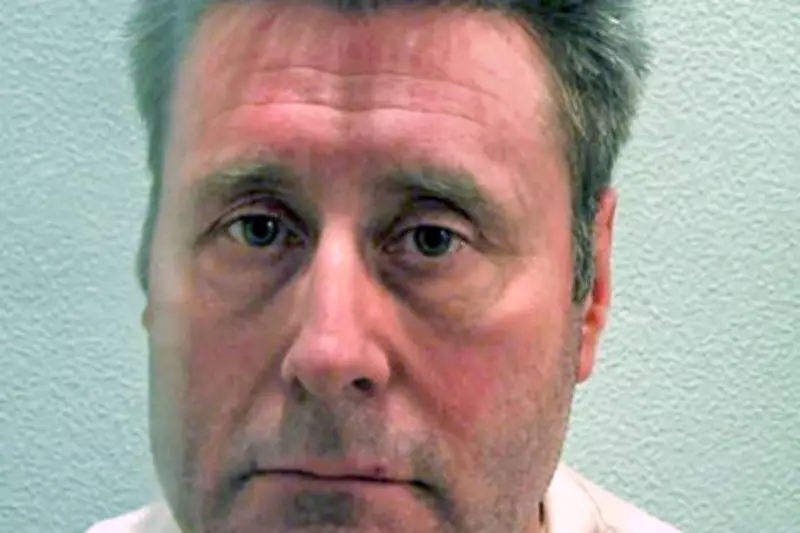
The next time I saw John Worboys's face was in 2009, his mugshot across the front page of the Metro newspaper I was reading on the underground. The words blurred as I read, 'Black Cab Rapist John Worboys guilty of sexually assaulting 12 women'. I got off the tube one stop early and hid from other commuters in a shop doorway to try to calm myself down before going to my job at a women's fashion magazine.

When I read up on the case, the details were sickeningly familiar. He used exactly the same lines on many of his victims, saying he had won big at the casino or in the lottery and offering them 'champagne', or a free trip home in exchange for sex. I know it sounds strange that, as a journalist, I had not picked up on these details sooner, but it was only when I saw his face published after his conviction that I knew this was the man who had driven me home five years earlier.
My first feeling was one of intense shame and distress for not reporting it or 'doing something' to prevent him from attacking other women. (In fact, between 2002 and 2008, 14 women aged between 18 and 34 years went to the police to report suspected drug-assisted sexual assault or threatening behaviour in a taxi, all with distinct similarities. The police failed to link them.) The victim-survivors were all just like me: students trying to get back to their halls of residence, office workers, even another journalist. I did not feel 'lucky'. I felt devastated for the women exactly like me, women who had made a slightly different choice in the back of his taxi and been drugged and sexually attacked.
I did not report this to the Metropolitan Police right away; that took a few years. John Worboys had been jailed for life, and I had no new information to offer. I felt physically sick and shaky every time I thought about him. Unless my statement could genuinely help other women get justice, I could not face the ordeal of going into a police station and reporting something that had happened so long ago, something much more minor than an actual attack, when I was drunk, that brought up such awful emotions. I am sad to say that this is not the only sexually traumatic experience I have had at the hands of a stranger, and I was trying to protect myself.
So I am in awe of the women who reported their attacks to the police… only to receive exactly the police treatment I was so fearful about. Women who are now the subject of a groundbreaking four-part ITV series, Believe Me, written by Jeff Pope and directed by Julia Ford. The series is based on interviews with three survivors, including Carrie Symonds (now Boris Johnson's wife), who at the age of 19 was drugged by Worboys but not assaulted.
Believe Me relates how the Metropolitan Police's failings allowed John Worboys (played by Daniel Mays) to become one of the most prolific sex attackers in British legal history. When I speak to director Julia Ford about the series, it is the first time—other than to friends and my police report—that I have spoken about my own experience with John Worboys. Daniel Mays plays John Worboys in the series, in a brilliant performance that demonstrates just how dangerously manipulative and unrelenting he was. I mentioned to Ford that at the time, I almost felt sorry for him. 'That's what everyone has said,' she says. 'And speaking to you is a reminder just how widespread his attacks were, how it could have happened to any of us.' None of John Worboys's victims was stupid or reckless. We were young women paying to get home the safest way we knew how to: in a black cab. Jeff Pope, the writer of Believe Me, says it made him angry how the women were treated by police, such as being asked if they were 'the kind of woman who would wear red nail varnish'. 'I spent a lot of time being angry on these women's behalf as each new insult, each new piece of degrading treatment, came to light,' says Pope.
The series documents how two survivors joined forces with solicitor Harriet Wistrich and barrister Phillippa Kaufmann KC to sue the Metropolitan Police under the Human Rights Act for their failure to properly conduct investigations into their allegations of sexual assault. And then, in 2018, Carrie Symonds waived her right to anonymity in order to successfully campaign against the Parole Board's decision to release Worboys after just eight years in prison.
As solicitor Harriet Wistrich says, 'Sadly, because drug-assisted rape is even more commonplace now, and because the policing of rape is still riddled with poor investigations and treatment of victims, this storyline will resonate for anyone unlucky enough to have been the victim of a sexual offence and tried reporting it.'
The timing of Believe Me is pertinent: John Worboys has a parole hearing this summer. Despite the murder of Sarah Everard by a Met officer, despite the MeToo movement, and despite the Epstein revelations, women are still not being believed. Police currently estimate that John Worboys could have attacked as many as 100 women. I know he targeted many, many more of us.
'Believe Me' begins at 9pm on ITV1 on Sunday 10 May.