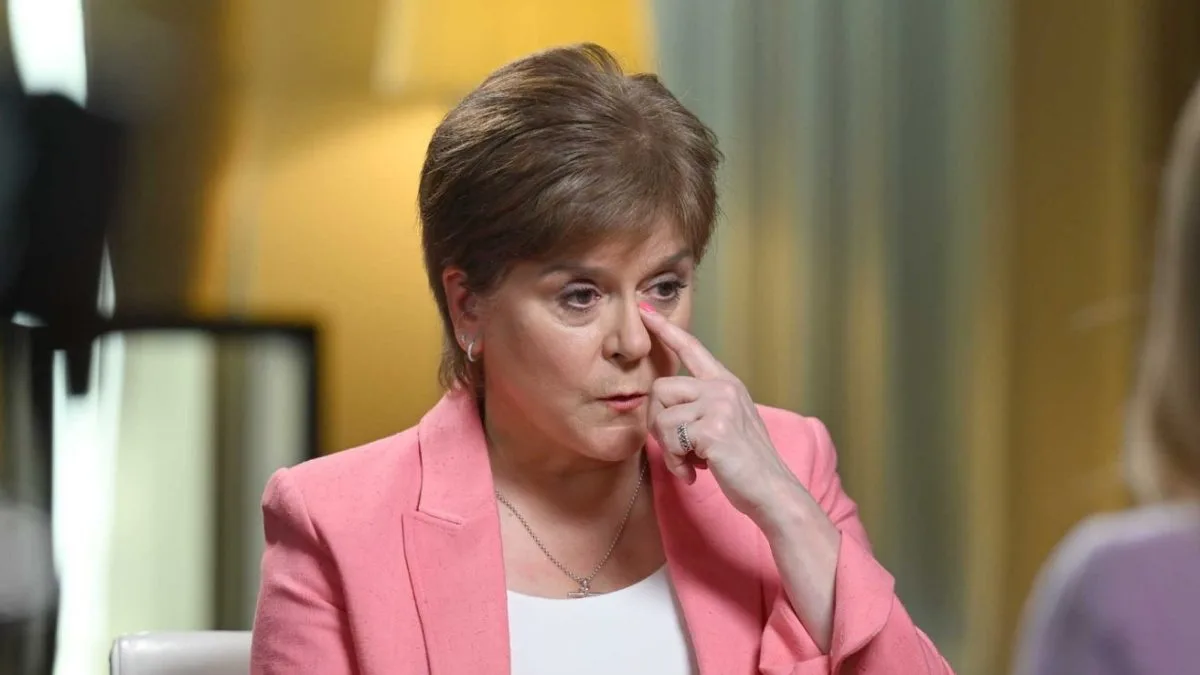
Nicola Sturgeon’s BBC interview with Laura Kuenssberg has been described as her “Andrew Mountbatten-Windsor moment”, as the former first minister portrayed herself as a victim of her husband’s crimes. Sturgeon claimed Peter Murrell’s embezzlement of £400,000 from the SNP put her “into a position of real peril” and subjected her “to public vilification”. However, the performance was widely criticised as evasive, self-pitying and lacking contrition.
Sturgeon insisted she owed no apology because she was not the perpetrator, but critics argue she failed to grasp the public significance of the scandal. Questions remain over her role in stifling financial scrutiny that could have exposed Murrell’s crimes earlier. In March 2021, she told the SNP’s national executive committee: “There are no reasons for people to be concerned about the party’s finances.”
The interview yielded no refutation of these accusations. Sturgeon also answered “no comment” to police inquiries. Observers note that accountability demands answers even from politicians guilty of no crime: what did she know, and when?
Sturgeon’s claim that she had “no conscious memory” of seeing the motorhome bought with stolen funds, because it was “not immediately visible” when parked at her in-laws’, was described as risible. The scandal has likely set back the cause of Scottish independence, as voters now have tangible reasons to distrust SNP leaders on probity, let alone the currency and economic future of an independent Scotland.