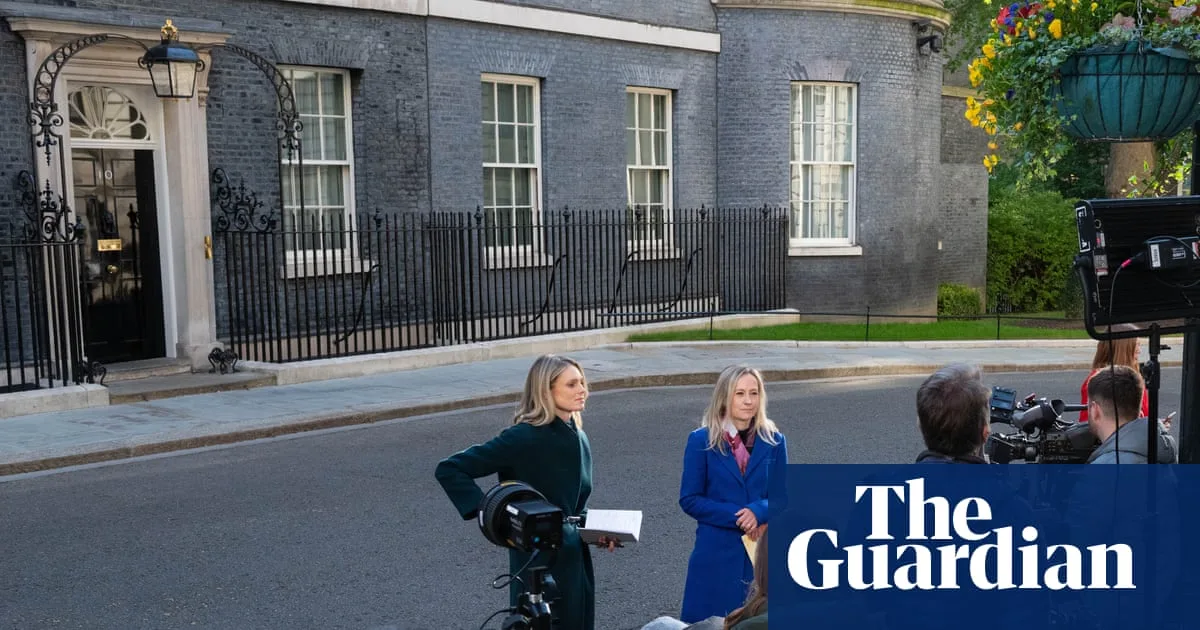
Prime Minister Keir Starmer's political operation has come under scrutiny as the number of MPs calling for his resignation grows. Unlike a previous leadership threat that saw ministers rallying with supportive tweets, this time much of the cabinet has remained quiet, raising questions about his survival strategy.
The departure of long-term aide Morgan McSweeney as chief of staff in February has been cited as a key factor. McSweeney, who had often led crisis responses and made difficult phone calls, no longer provides advice to No 10. His successors, Vidhya Alakeson and Jill Cuthbertson, led the fightback in a previous challenge but Cuthbertson is currently on maternity leave, limiting coordination.
Downing Street has attempted to use similar tactics, including warning MPs of dire economic consequences such as a spike in bond yields if Starmer is ousted. However, officials are careful not to frame this as holding MPs hostage. The absence of MPs in Westminster after local elections has hindered both the government's defence and opponents' collaboration.

On Tuesday, over 100 Labour MPs signed a letter insisting it is no time for a leadership contest. The letter, coordinated by backbenchers and whips, was not directly from No 10. Starmer himself told cabinet that the past 48 hours have been destabilising and effectively dared potential challengers to move against him.
Government figures warn that the situation could lead to a 'Liz Truss moment' in the coming months, referring to the economic fallout from her mini-budget. However, such arguments are not made directly to MPs to avoid perceptions of coercion.