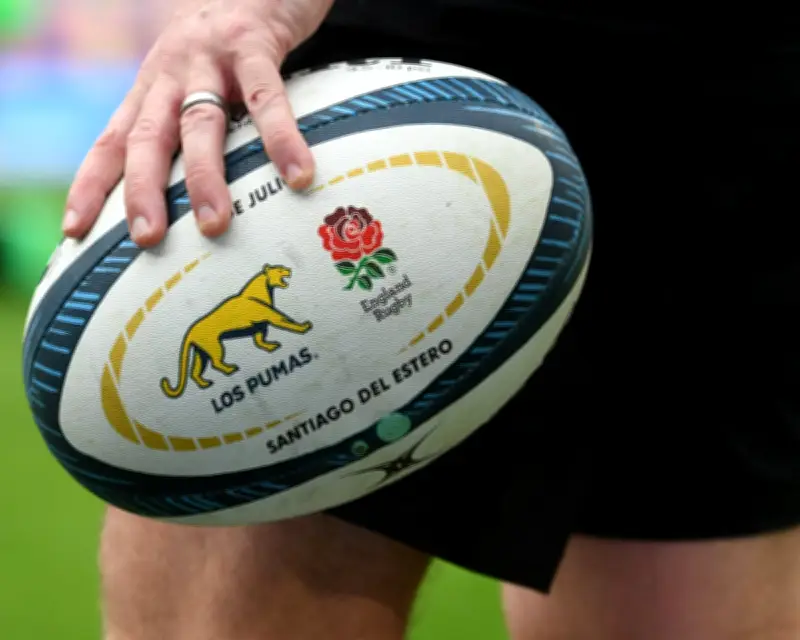
Nearly six years after the Guardian first reported that former rugby union players were suing governing authorities over brain injuries, the case is entering a crucial week. Hundreds of former amateur and professional players are involved in two separate cases, one in rugby union and one in rugby league, which are being heard together due to overlapping issues. Both remain in the pre-trial phase, slowed by disputes over disclosure of medical documents.
Who is in court this week?
Rylands Garth, with assistance from Leigh Day, represents the players in both codes. In rugby union, action is brought against World Rugby, the Rugby Football Union, and the Welsh Rugby Union. In rugby league, action is against the Rugby Football League. They represent 777 former union players and 317 former league players. The sides are to select trial cases from the group.
Why are they in court?
The hearings aim to resolve procedural issues, notably whether Rylands Garth has complied with a judge’s order to disclose all medical documents to the defendants. If not, players with incomplete documents could be struck out, potentially removing hundreds from the case. Rylands Garth insists it has complied and will seek relief against any adverse ruling.

What does strikeout mean for players?
Players with gaps in their documents would be removed from the trial group. The rest may find the action impossible to continue if Rylands Garth’s credibility is undermined. Many players have been diagnosed with neurodegenerative conditions, depression, and anxiety.
Why has it taken so long?
The case is hugely complex, involving hundreds of players across two codes with various conditions. There is no ready template, and every detail must be argued between combative legal teams. The defendants argue Rylands Garth is under-resourced; Rylands Garth argues the defendants impose an impossible workload to block the trial. Senior Master Cook urges collaboration, to little effect.