

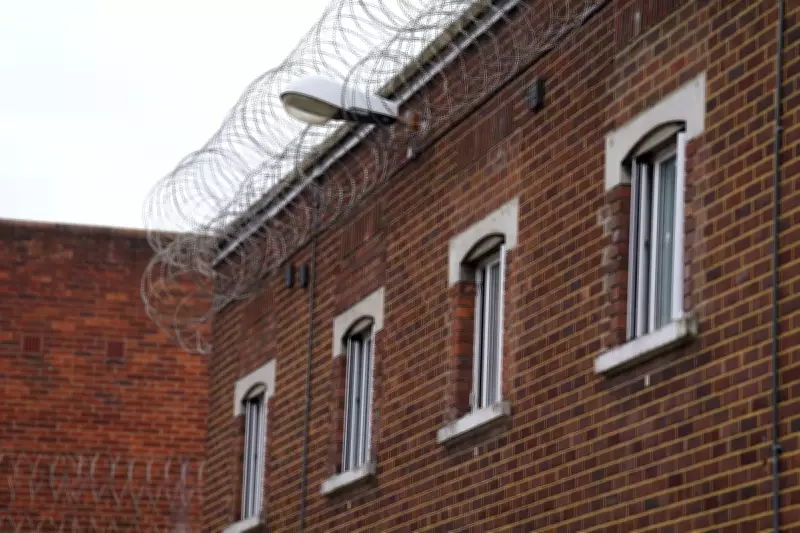
Given the widespread outrage at the leniency shown by a judge to three boys found guilty of a horrific rape yet not handed custodial sentences, it may seem a bad moment to suggest that Britain’s jails need reform to make them less dangerous and more humane. In fact, however, the appalling state of the prison system is precisely why it needs reform, so that the very worst offenders, including relatively young ones, can indeed be incarcerated for grave crimes; while less serious offenders can be punished equally appropriately but in different ways outside the prison estate, which needs the room.
No matter how vile the actions of a criminal, it is wrong for a society that counts itself civilised to behave in an equally sadistic manner. As The Independent reports today, far too many prisons have become, in effect, enterprise zones for drug dealers who are able to ‘operate with impunity’, in the words of the chief inspector of prisons, Charlie Taylor. As a result, the number of deaths from substance misuse of drugs in prison has spiked. Whereas in 2010 only two such deaths were recorded, some 48 individuals died after taking drugs last year, double the figure for 2024. No doubt were it not for the intervention of experienced officers, the loss of life would have been even higher. The increasing availability of all drugs via drone deliveries, especially newer synthetic types, seems to be driving the death toll upwards, but behind that is a picture of institutions running out of control.
Overcrowding and Neglect Fuel Crisis
Jails should be the last places where lawlessness goes unpunished, yet long-term neglect of the physical estate, failures in recruiting and retaining staff, and above all overcrowding continue to add to this intolerable state of affairs. Kemi Badenoch has declared that ‘prison works’. She should take a look at how badly dysfunctional our prisons actually are – decrepit, filthy, vermin-infested, full of drugs and schools for crime – if she is deliberately echoing a soundbite from a previous era of Tory authoritarianism. It was the then Conservative home secretary Michael Howard who made the claim that ‘prison works’ to warm up his party conference in 1993. He was wrong then, and Ms Badenoch is wrong now, as the recent painstaking review of the evidence by the former Conservative justice secretary David Gauke makes perfectly clear.

Putting more and more offenders in prison for short sentences to appease public opinion would not deter reoffending, even if there were places available for them. But those places haven’t been freely accessible for some time, because until very recently, no new prisons were being built. As ever, the political rhetoric was unmatched by ‘delivery’ of more cells. By the time Ms Badenoch and her colleagues were ejected from office in 2024, this mismatch between longer sentencing and capacity had grown so grotesque that emergency measures had to be taken by the incoming government to relieve the pressure.
Alternatives and National Security
Alternatives to counterproductive short sentencing have had to be found, and will prove more effective; and more places will be created for cruel rapists to be made to pay for the misery they inflict. More creative sentencing and more new large prisons coming online should also speed up waits for a court hearing – without infringing the existing right to a jury trial. Meanwhile, Mr Taylor is clear about the consequences for past inaction: ‘Weapons are getting into prisons. There are some risky men locked up in some of our jails. There is a threat that if the government doesn’t get a grip on this, it is a threat to national security. Particularly if terrorist offenders are going to get their hands on weapons.’

People have a right to be protected and for a degree of retribution to be an integral feature of the criminal justice system – without that, it cannot carry public confidence, as evidenced in the prospective referral by the attorney general of the sentencing in the recent controversial rape case to the Court of Appeal. Yet far too much of the prison estate has been neglected to the extent that it is so overcrowded and insecure that it actually ends up hardening criminals, turning them into addicts to cope with dehumanisation, and increasing their propensity to reoffend, making society and its citizens less safe. So far from reforming these men and women, it turns them into even worse menaces. A rational prison system where discipline is combined with rehabilitation might well ‘work’ in reducing crime and the suffering it brings. We are a long stretch away from achieving that.





