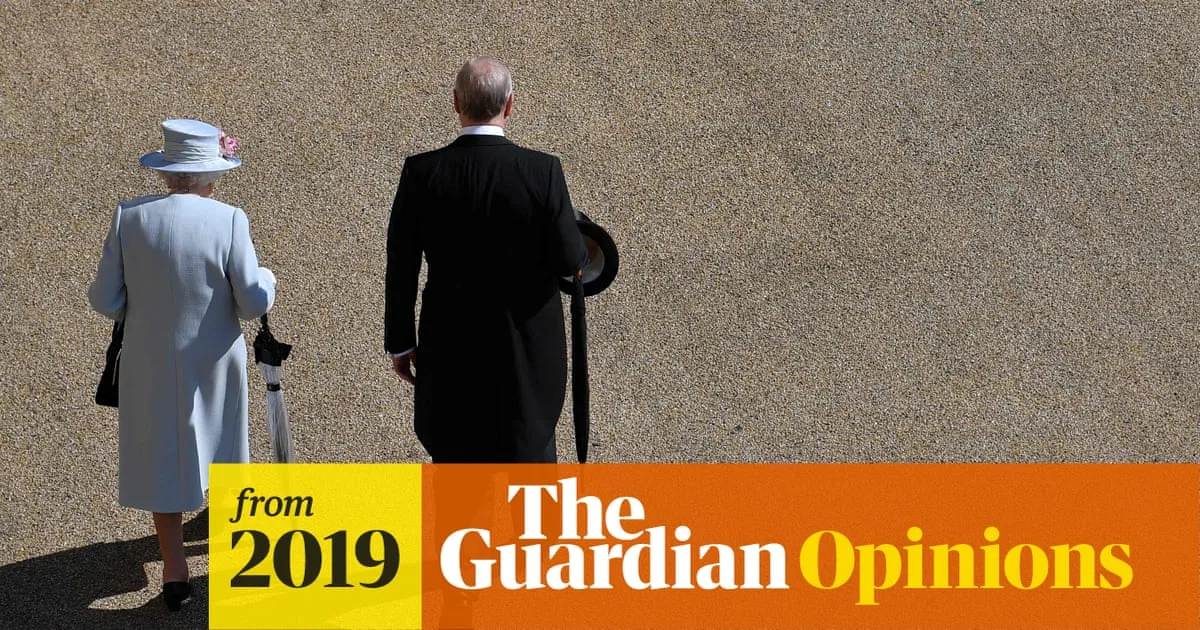
The scandal surrounding Prince Andrew has cast doubt on the future of the monarchy, according to commentators. Boris Johnson's defence of the institution during a televised debate, describing it as 'beyond reproach', has been criticised for lacking sympathy towards the teenage girls abused by Jeffrey Epstein, the prince's late friend.
The Duke of York has effectively resigned from public duties, but as a member of the royal family, he cannot be removed. This highlights a lack of formal mechanisms to hold royals accountable for actions incompatible with public life. Had Prince Andrew been in line to the throne, the situation would constitute a full-blown constitutional crisis.
The prince's association with Epstein has raised questions about his judgment and lifestyle. He reportedly sought a billionaire lifestyle on a £250,000 income, accepting loans of private jets and holiday homes from Epstein. The palace has been criticised for indulging this behaviour, lacking both integrity and a sense of self-preservation.
The timing of Andrew's resignation, during a general election campaign, has also been questioned. If the election results in a hung parliament, the Queen may need to exercise judgment in forming a government, and the contrasting views of party leaders on the monarchy could become significant.
The Queen remains a source of stability, but trust in the monarchy is not automatically inherited. The future of the institution may depend on how it handles the fallout from this scandal.