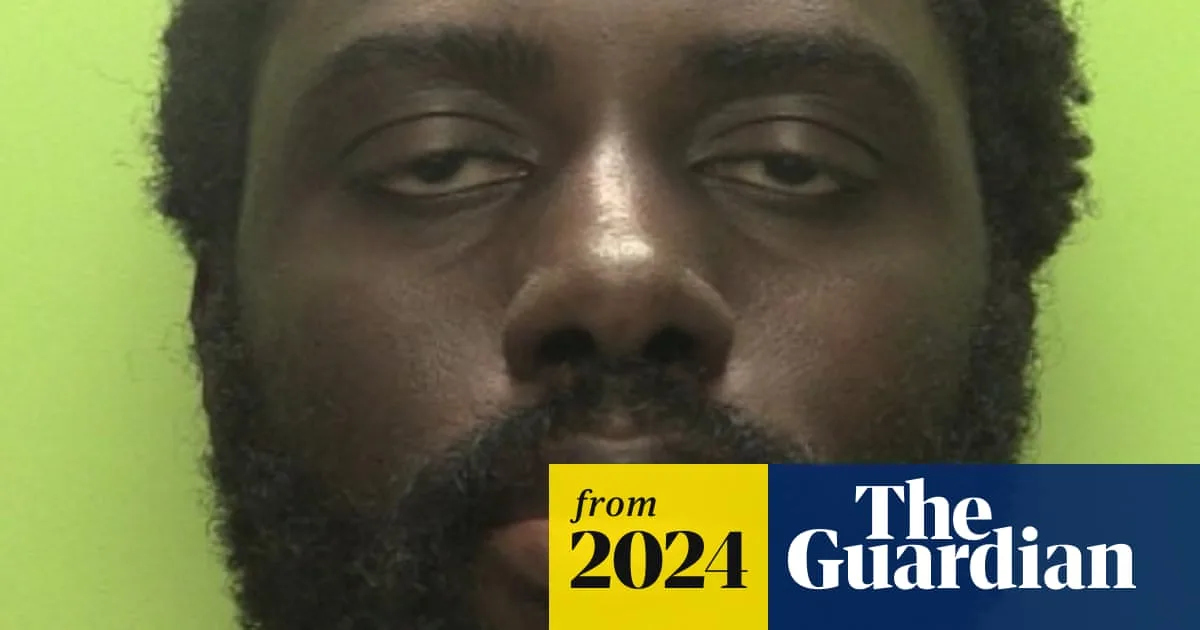
Valdo Calocane, 32, who has paranoid schizophrenia, attempted to surrender to MI5 in May 2021, believing the intelligence agency was controlling his thoughts and actions, a court has heard. He appeared at Thames House in London, the headquarters of MI5, urging officials to "please arrest me" in a bid to stop the perceived interference.
Calocane has admitted the manslaughter of Grace O’Malley-Kumar, Barnaby Webber and Ian Coates, as well as attempting to kill three others in attacks in Nottingham on 13 June last year. His pleas were accepted on the grounds of diminished responsibility due to his mental illness.
The court was told that Calocane experienced psychotic delusions over several years, including hearing voices and believing that agencies such as MI5 were controlling him. On one occasion he broke into a flat thinking his family were being assaulted, causing an occupant to jump from an upstairs window in fear. He also drove hundreds of miles to his family home but refused to enter, convinced MI5 could see through him.

Despite being treated by mental health services since 2020, Calocane frequently refused medication, lied about his symptoms and avoided engagement with clinicians. Forensic psychiatrist Dr Nigel Blackwood described him as "an intelligent man who strove to conceal his madness from clinicians".
It emerged that an arrest warrant had been issued for Calocane in September 2022 after he failed to attend court for allegedly assaulting a police officer while being transported to hospital. The warrant remained outstanding at the time of the killings, and Nottinghamshire Police have acknowledged they should have done more to locate him, though he was unlikely to have received a prison sentence for that offence.
Psychiatrists noted that Calocane has treatment-resistant schizophrenia and poses a significant risk of lethal behaviour if he stops taking medication, whether in prison or outside. Dr Blackwood stated that during the attacks Calocane was experiencing a psychotic episode but would have known his actions were morally and legally wrong. There was no indication that substance misuse contributed to his illness.