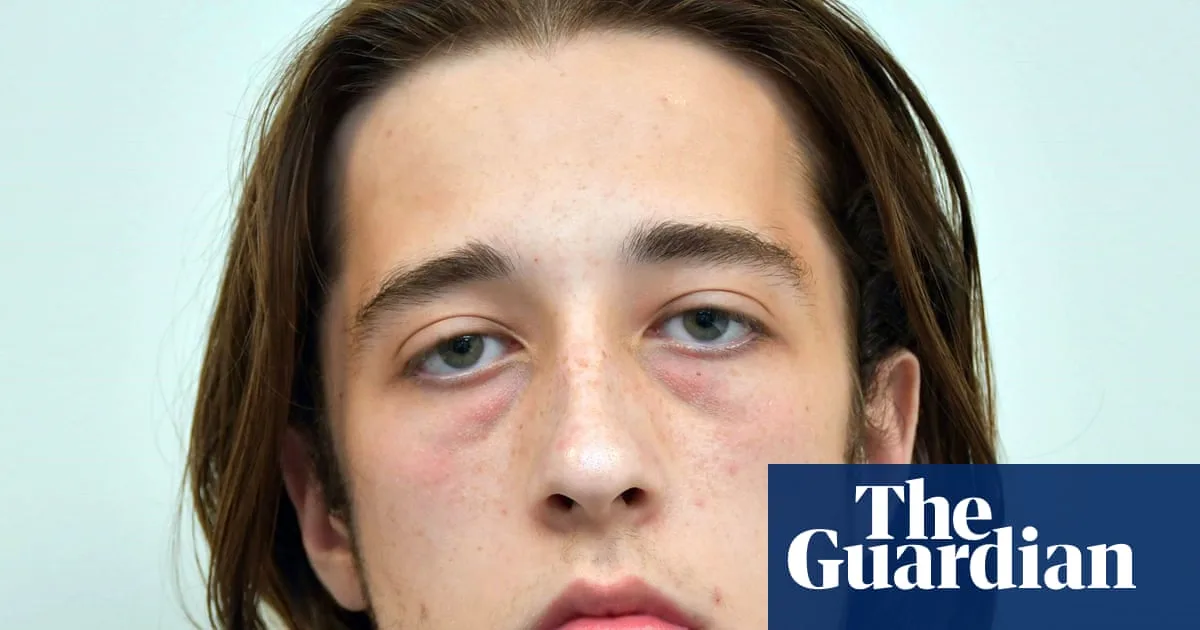
A former supermarket worker from Essex has been found guilty of preparing for terrorist acts after an undercover MI5 operation foiled his plan to carry out a mass shooting. Alfie Coleman, 21, of Great Notley, was convicted on Thursday at the Old Bailey following a retrial. Senior police officers have warned that young people are increasingly being drawn into violent extremism online, with one in five counter-terrorism cases now involving a child.
Coleman compiled a hate-list of colleagues and customers he branded with racial slurs or as 'race traitors', and wrote a manifesto in a diary identifying potential targets including the Lord Mayor of London and a mosque. He had been radicalised from the age of 14, downloading neo-Nazi texts and seeking out extreme right-wing material online. By 2023, he became active in online extremist groups and attempted to buy weapons.
The MI5 operation culminated on 29 September 2023 in a Morrisons car park in Stratford, east London. Coleman arranged with an undercover officer to buy a Makarov pistol, magazines and ammunition. Dramatic video footage showed him dropping £3,500 in a Land Rover and picking up a holdall containing the handgun before being arrested by armed counter-terrorism police.

A search of his home revealed the extent of his murderous ideology: a swastika-decorated rock, a neo-Nazi black sun flag, and extreme right-wing books. Police also found a bug detector, knives, an air rifle, and a collection of savings. Analysis of his devices showed he had emailed the far-right group Patriotic Alternative and made detailed plans for attacks, including hijacking a plane and targeting the home of the Lord Mayor of London, which he mistakenly believed was Sadiq Khan's address.
Prosecutor Nicholas De La Poer KC said Coleman was 'seething with hatred' and had taken inspiration from extremist mass killers he regarded as 'warriors'. Detective Chief Superintendent Helen Flanagan warned parents to be vigilant, noting that 'horrific' terrorist manifestos were just one click away. The case highlights the growing concern over online radicalisation of young people, with more referrals to the Prevent programme.