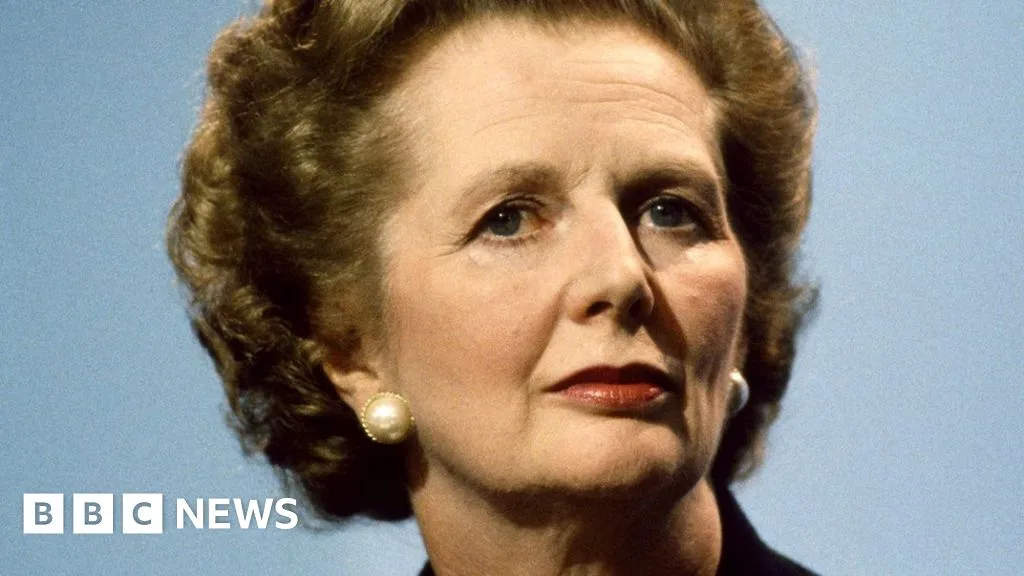
Newly released files from the National Archives reveal that former Prime Minister Margaret Thatcher was left 'shattered' by the prospect of the memoir 'Spycatcher' being published. The book, written by ex-MI5 officer Peter Wright, contained explosive claims about UK espionage operations, including allegations that MI5 officers had plotted against Harold Wilson in the 1970s.
Thatcher scribbled on a briefing note that 'the consequences of publication would be enormous'. The government attempted to block the book's publication in the UK, but failed to prevent its release in Australia after a high-profile court case. The files, which were due for release ten years ago but were deemed too sensitive, show the extent of the panic within the government.
The publication of 'Spycatcher' led to the first public acknowledgment of MI5's existence. Home Secretary Douglas Hurd wrote to Thatcher in March 1988, warning that the publicity was making it harder for the service to gain cooperation from informants and allies. He recommended placing MI5 on a statutory footing, which Thatcher agreed to, albeit with the caveat 'if it can be limited'.

Former Prime Minister Harold Wilson also wrote to Thatcher in July 1988, expressing his concern over the allegations and hoping the government could block publication of a related book, 'The Wilson Plot'. However, the government lost its legal battle in October 1988, and both books were published internationally.
The following month, the government introduced the Security Service Act to bolster public confidence. Historian Calder Walton noted that the 'Spycatcher scandal contributed more than anything to bring the spies out of the cold', leading to public accountability for intelligence agencies. Today, MI5 has its own Instagram account and its director gives media interviews.