Mayor Mamdani Snubs Israel Parade, Sparking Fury Among Jewish New Yorkers
Mamdani Skips Israel Parade, Angers Jewish New Yorkers

New York City Mayor Zohran Mamdani notably skipped the annual parade honoring Israel on Sunday, a decision that breaks with decades of political tradition and underscores his vocal support for Palestinian rights.

Historical Context of the Parade

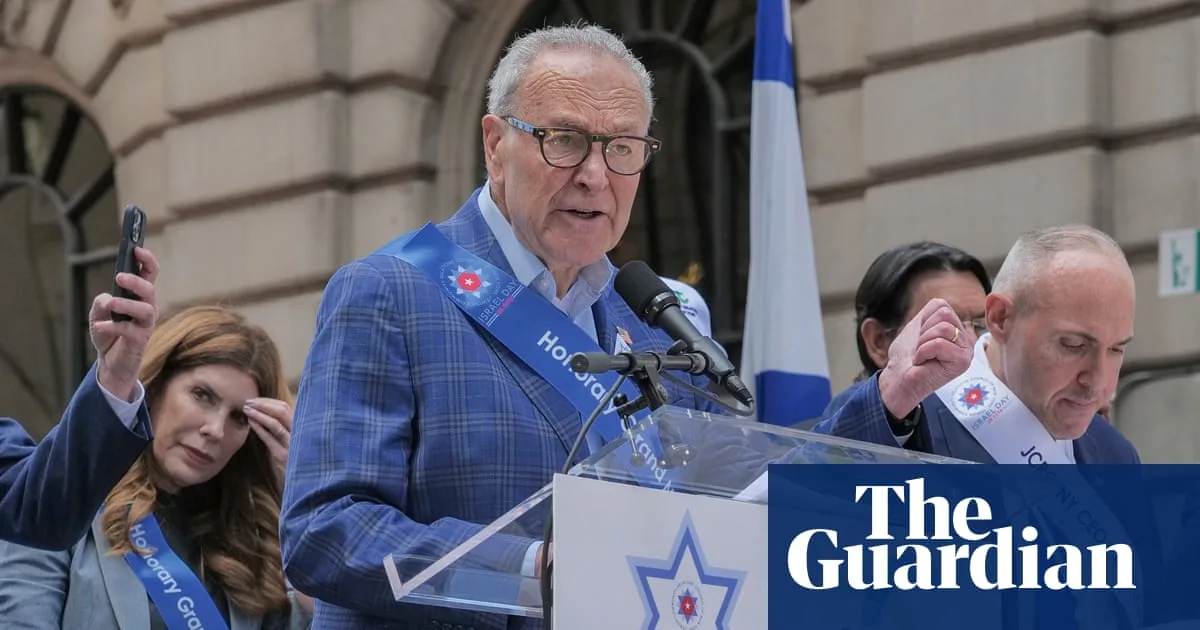
The Israel Day parade, though known by various names over the years, has historically been a mandatory event for mayors, governors, and other political figures. These leaders typically seek to engage with the large crowds of flag-waving attendees who gather on Fifth Avenue to commemorate the establishment of the Jewish state in 1948.

Mamdani's Decision and Rationale

However, Mamdani chose a different path. Two weeks prior to the parade, his office released a video acknowledging the Nakba, an Arabic term meaning 'catastrophe.' This term describes the displacement of an estimated 700,000 Palestinians during the 1948 Arab-Israeli war that followed Israel's founding.

Wide Pickt banner — collaborative shopping lists app for Telegram, phone mockup with grocery list

'I said on the campaign trail that I wouldn't be attending the parade, and I've made my views on the Israeli government abundantly clear,' Mamdani stated at a news conference on Thursday. Despite his absence, he assured the public of a robust police presence to ensure the event proceeded 'seamlessly and peacefully.'

Police Commissioner's Participation

In contrast, the city's police commissioner, Jessica Tisch, who is Jewish, did attend the parade. Standing alongside Mamdani at police headquarters on Thursday, she remarked, 'It is the mayor's decision not to march, and it is my decision to march proudly.'

Reactions from Jewish Leaders

Mamdani's absence, though widely anticipated, has reignited criticism from opponents who interpret his stance on the Israeli government as antisemitic. Rabbi Marc Schneier, founding senior rabbi of The Hampton Synagogue and president of the Foundation for Ethnic Understanding, which promotes Jewish-Muslim relations, characterized Mamdani's decision as 'a slap in the face to all Jewish New Yorkers.'

'Do us a favor, stay home,' Schneier added. 'We don't need you. We don't want you.' He further condemned Mamdani's Nakba video as 'propaganda,' echoing concerns from other Jewish leaders who argued it omitted crucial context regarding the displacement of Jewish people during that period.

The Nakba Video Controversy

The video, believed to be the first such recognition from a sitting New York City mayor, featured Inea Bushnaq, a woman displaced at age nine, who described a profound longing for home, stating, 'it's the soft hills of Palestine that actually touched me.' She added, 'I've lived in different places, and I've always been an outsider.'

Supporters of Israel expressed outrage, contending the video should have acknowledged the mass displacement of Jews from Muslim-majority countries or the role of the Holocaust in the drive to establish a Jewish state. Mayors in New York City, home to America's largest Jewish population, have historically been prominent supporters of Israel, often visiting the country.

Broader Political Context

However, American support for Israel has significantly declined in recent years, a trend exacerbated by the outcry over Israeli military actions in Gaza. Mamdani, the city's first Muslim mayor, has remained steadfast in his pro-Palestinian advocacy. He has affirmed Israel's right to exist but not as a hierarchy favoring Jewish citizens, while simultaneously pledging to protect Jewish New Yorkers and highlighting the work of the city's Office to Combat Antisemitism.

Pickt after-article banner — collaborative shopping lists app with family illustration