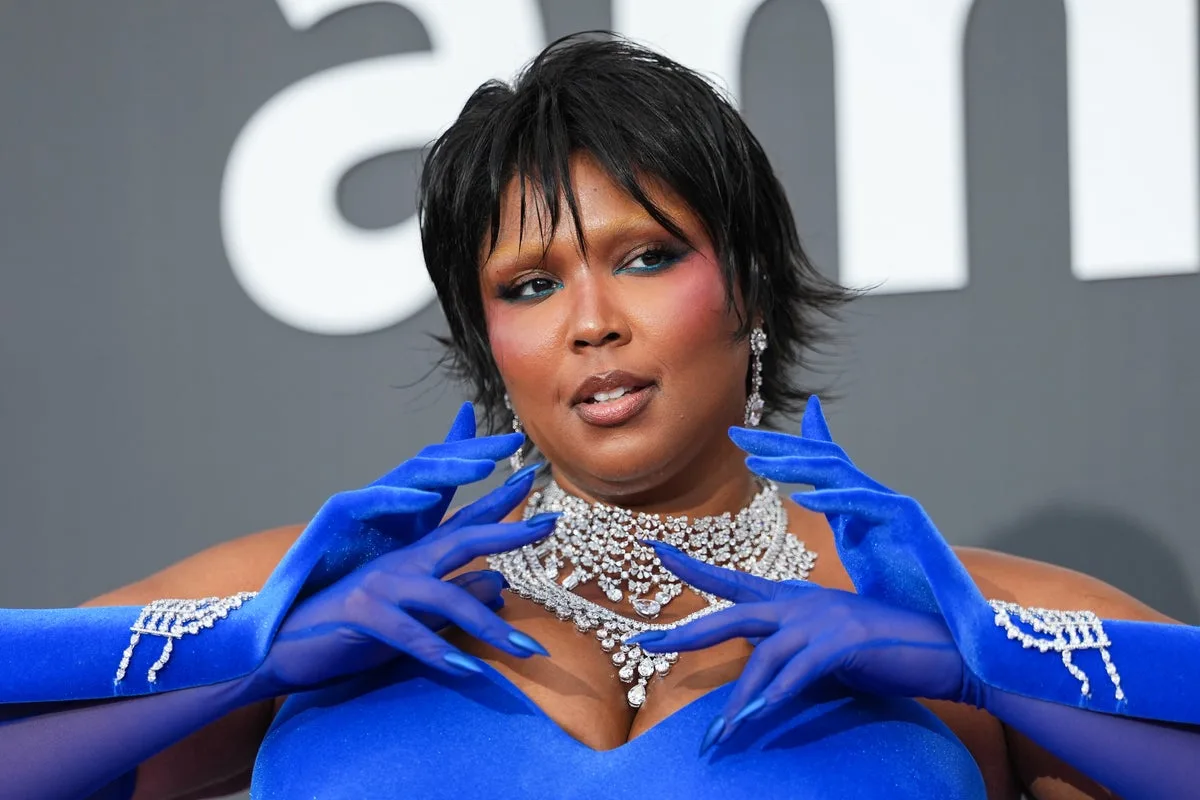
Lizzo, once celebrated as a poster girl for empowerment through hits like 'Truth Hurts' and dazzling live performances, returns with her fifth album, 'Bitch'. The record, however, has been met with disappointment, with critics noting a distinctly less confident and more brittle sound.
The release follows a turbulent period for the singer, marked by a lawsuit from three former backup dancers alleging sexual misconduct and body-shaming in a hostile work environment. Additional accusations came from a former creative director and filmmaker Sophia Nahli Allison. Lizzo has vehemently denied all claims, with some dismissed by a judge, and has vowed to continue fighting the case.
Despite the fiery title, the album is described as strangely muted and cliched. It opens with orchestral flourishes that give way to sparse piano, as Lizzo delivers elegiac lines about hoping those who hurt her find themselves. The tone is bitter rather than defiant, suggesting she is struggling to convince herself, let alone her audience, that she is truly okay.
Tracks like 'She Stole My Man' and 'That Grrrl' have been singled out as particularly weak. The former is a petty, vindictive tale of lusting after a stranger, lacking the self-awareness of similar songs by artists like Olivia Rodrigo. The latter, intended as a body positivity anthem, is undermined by paranoid instrumentation and a plaintive delivery.
Other tracks, such as 'Don't Make Me Love U', interpolate classic songs like Tina Turner's 'The Best' and Bon Jovi's 'Livin' On a Prayer', yet fail to recapture the powerful themes Lizzo once owned. Even her cover of Meredith Brooks' 'Bitch' lacks the original's conviction. Ultimately, 'Bitch' feels like an attempt to resurrect her pre-controversy image, but it is all over the place, leaving listeners with a missed opportunity for genuine empowerment.