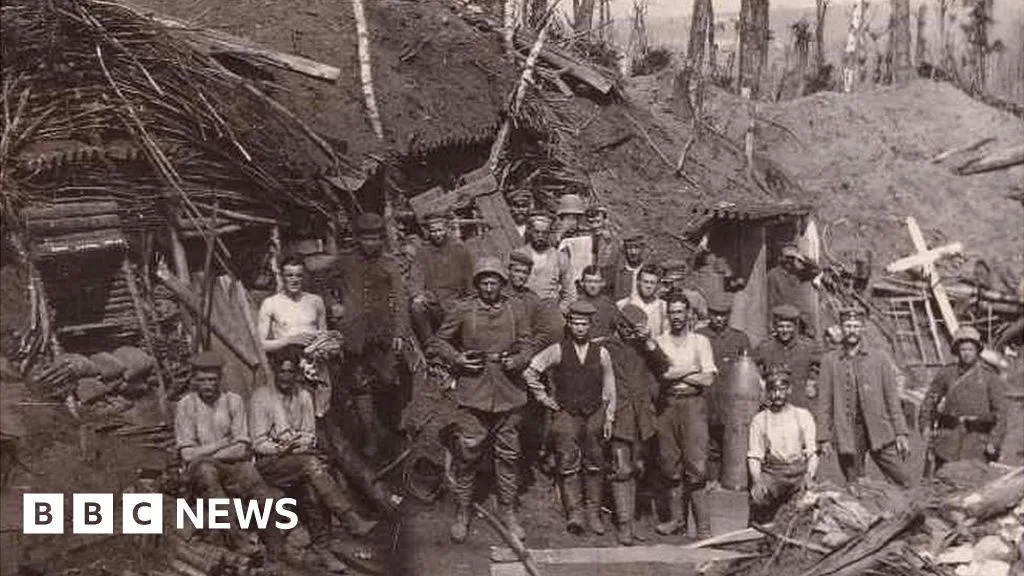
More than 270 German soldiers have lain undiscovered for over a century in a tunnel on the Chemin des Dames battlefront in France, after dying agonising deaths during World War One. The Winterberg tunnel, near Reims, was sealed by French artillery on 4 May 1917, trapping men from the 111th Reserve Regiment who suffocated or took their own lives as oxygen ran out.
The entrance was found by father-and-son local historians Alain and Pierre Malinowski, after years of archival research. Alain Malinowski spent 15 years studying military records before chancing on a map in 2009 that pinpointed the location. The site had been forgotten amid the chaos of war, and neither French nor German authorities had sought to find it.
Looters have already dug a three-metre hole near the entrance, uncovering wartime artefacts including axes, spades and unexploded shells. The tunnel itself remains sealed, but authorities fear further attempts to break in. The French and German governments are deliberating whether to exhume the bodies for burial in a German war cemetery or conduct a full archaeological dig.

The tragedy occurred during the French Nivelle Offensive. A shell from a naval gun hit the tunnel entrance, triggering stored ammunition and releasing toxic fumes, while another sealed the exit. Over six days, men suffocated or died by suicide. Three survived long enough to be rescued, one of whom, Karl Fisser, later wrote a harrowing account of the ordeal.
The site remained lost until now, with woods regrowing over the shell-scarred landscape. The discovery raises urgent questions about how to handle the remains, as time presses against looting and decay.