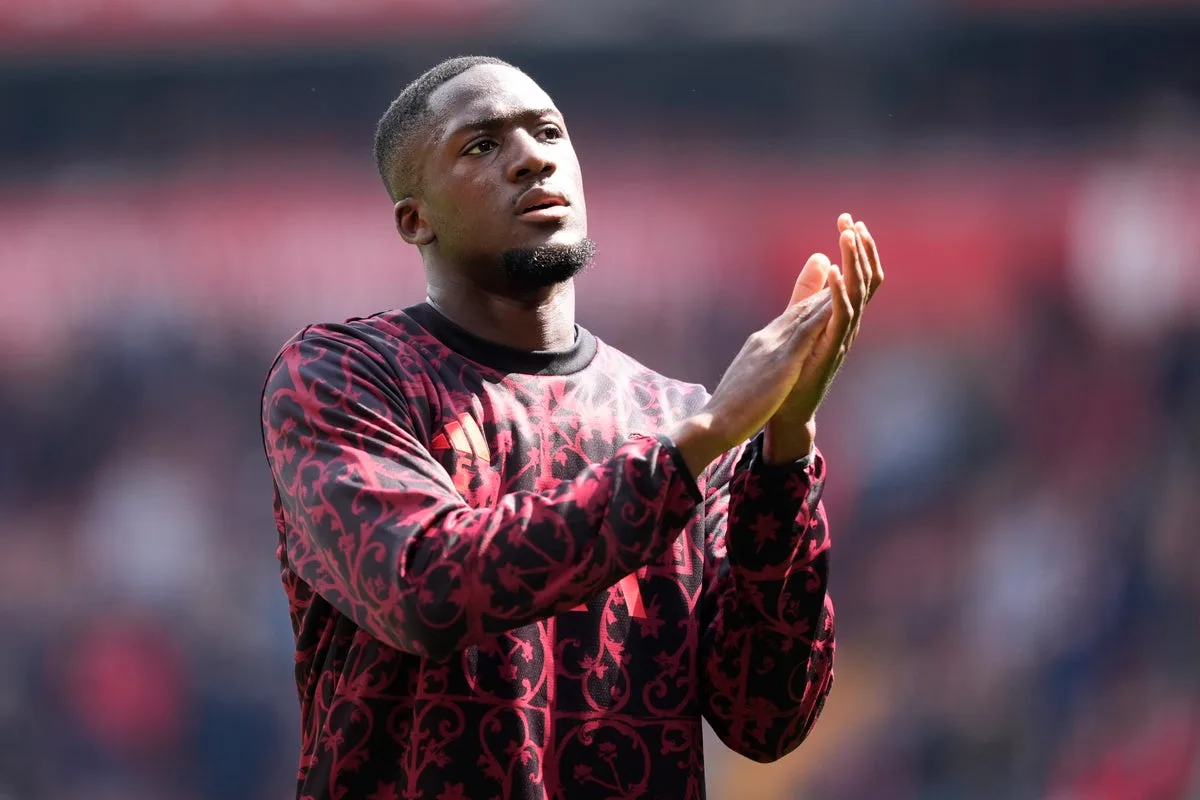
Ibrahima Konate has revealed the profound impact of personal loss on his mental health, speaking candidly about battling depression following the deaths of teammate Diogo Jota and his father, Hamady. The France international, who is set to leave Liverpool when his contract expires this month, described a year of immense struggle that affected his performance on the pitch.
Konate challenged the stigma around mental health in football, stating: 'There are low points, there’s depression. You can suffer from depression in football too; there’s no need to be ashamed to say so.' He dismissed the notion that wealth negates mental health issues, adding: 'It’s true that I’ve often heard players say they were suffering from depression and that fans or people on the outside didn’t understand because they were earning a lot of money. But no, that’s rubbish.'
The defender recounted the devastation of the crash that killed Jota and his brother Andre Silva just before pre-season. 'It devastated me. I didn’t have any interest in anything else at that point,' he admitted. Despite his grief, Konate felt compelled to return to football due to professional obligations: 'We’re employees at a club that pays us every month, so we have duties. We had no choice but to go back on the field and play for him and his family – as well as ourselves.'
While the squad mourned Jota, Konate was privately dealing with his father's severe illness. His form suffered, but the extent of his turmoil only became clear when Hamady died in January after a long illness. 'I didn’t know what to do. I didn’t know whether I should go home and stop playing, because the team needed me too,' he explained. He regretted keeping his struggles to himself, advising others to talk: 'When you’re feeling down or something’s going on, you need to talk to those around you.'
During compassionate leave, Konate chose to return to the team amid a defensive injury crisis, contacting then head coach Arne Slot. He marked his emotional comeback with a goal against Newcastle at Anfield. However, he admitted: 'There was never a moment when I felt like I was on the mend. All of these tragic events happened so quickly and as soon as I felt like I was getting my head above water, something else happened.'
Despite support from fans, teammates, and family, Konate recognised the need for personal resilience: 'I also had to learn how to get back on my feet on my own because the team needed me more than ever and I know that my father would have wanted me to get back.'