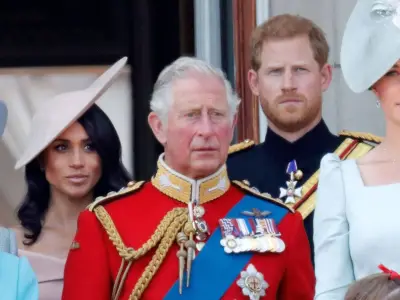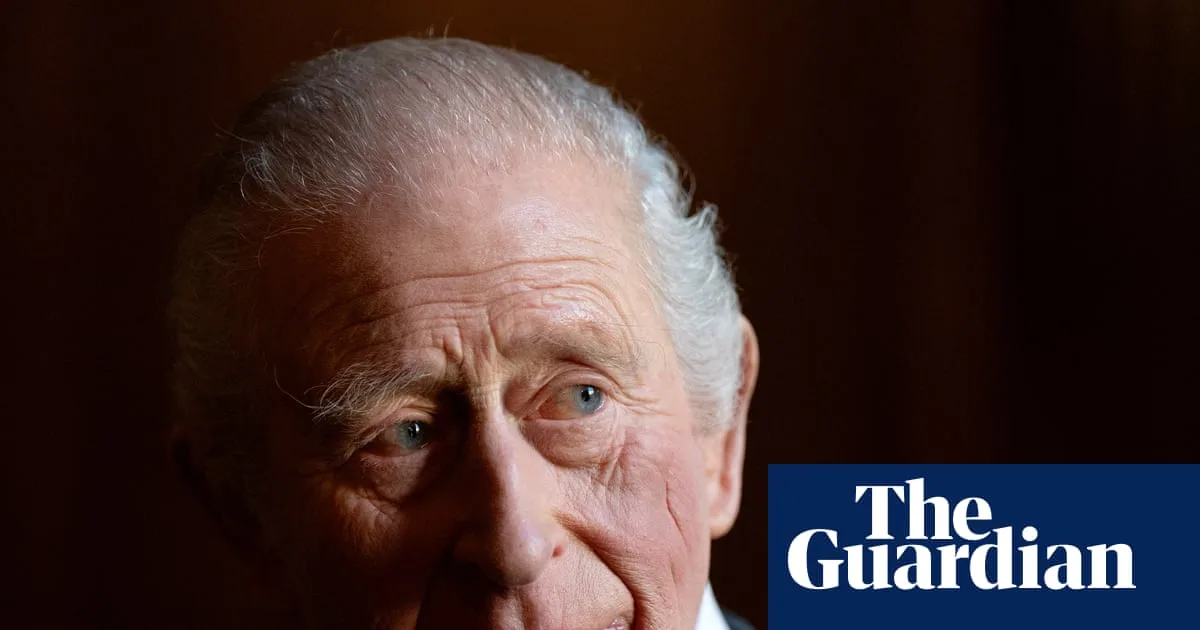
MPs, experts, and campaigners are urging King Charles to issue a formal apology for the transatlantic slavery, following research that highlights the British crown's centuries-long involvement in profiting from and protecting the trade in enslaved African people. The king has previously expressed "personal sorrow" for the suffering caused by slavery, but the crown has never issued a formal apology.
The book The Crown's Silence, published this week, details how monarchs from Queen Elizabeth I to George IV used the slave trade to boost crown revenues and defend the British empire. By 1807, the British crown is believed to have been the largest buyer of enslaved people.
Bell Ribeiro-Addy, Labour MP for Clapham and Brixton Hill and chair of the all-party parliamentary group for Afrikan reparations, said "personal sorrow" did "not befit one of the single greatest crimes against humanity". She called for acknowledgment and action to address the lasting legacy of global racism and inequality, adding that an apology could be a basis for honest conversation and transformation.

The Runnymede Trust described a formal apology as a "welcome, symbolic first step" but stressed it must be supported by action, including governmental commitment to reform economic and financial infrastructures shaped by slavery's legacies. Liliane Umubyeyi, director of African Futures Lab, argued for a legal and moral obligation for reparations, as slavery has been recognised as a crime against humanity under international law.
Carla Denyer, Green MP for Bristol Central, said a formal apology was "long overdue", while independent UN experts echoed the call. Michael McEachrane of the UN permanent forum on people of African descent emphasised that reparatory justice is critical for a sustainable future, calling for partnership between Commonwealth nations and the UK. Dominique Day, member emeritus of the UN working group on people of African descent, noted the legacy of slavery in police killings, Windrush, and Grenfell scandals, and said acknowledgment creates space for repair.
King Charles is expected to face renewed calls for action at the Commonwealth heads of government meeting in Antigua and Barbuda later this year. Historian Brooke Newman, author of The Crown's Silence, said 2026 could be a key time for the king to take action.