Jack Straw, the former Labour Foreign Secretary, has offered his perspective on the party's devastating local election results, urging calm and patience as the dust settles on what he describes as a 'debacle'. Drawing parallels with the 1968 elections under Harold Wilson, Straw warns against hasty decisions and suggests waiting before drawing conclusions.
A Familiar Pattern
Straw notes that history rarely repeats itself exactly but can serve as a guide. He recalls the 1966 General Election, where Labour won a landslide under Harold Wilson, only to suffer a severe drubbing in the 1968 local elections. 'Labour councillors ousted from Town and City Halls were vitriolic; Labour MPs panicked,' Straw writes. The situation mirrors the current mood, with Labour losing control of councils and facing internal criticism.
Worse Than 1968
However, Straw argues that the current results are even worse than those in 1968. 'Worst because we secured a much lower share of the vote than we did in 1968, and worse because the insurgent parties – Reform and the Greens – are eating our lunch,' he says. This, he believes, requires significant changes in approach rather than a leadership change.

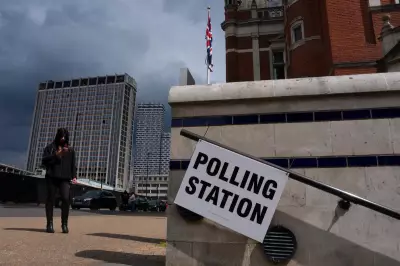
Straw also reflects on his own long history with the Labour Party, recalling a childhood memory of standing outside a polling station at age eight. He shares an anecdote about a police constable who was denied promotion for smoking a pipe on duty, a story that has stuck with him.
No Justice in Politics
Straw touches on devolution, noting that since the turn of the century, Scotland and Wales have lost ground in international education tables while England has gained, and the NHS performance in those countries has lagged behind. Yet, he observes, 'Labour in Wales is no longer in power, whilst the SNP suffers no similar opprobrium in Scotland. The reason – the SNP can always blame Labour in Westminster.'
Chinese Embassy Response
Finally, Straw comments on recent convictions of a UK Immigration Officer and a trade official for assisting Chinese intelligence. He finds the Chinese Embassy's response—calling the case 'abusing the law'—extraordinary, suggesting they would have been better off staying silent.
Straw concludes that while history is a guide, it points both ways. His only sensible advice is to wait until the dust has settled before making any judgments.