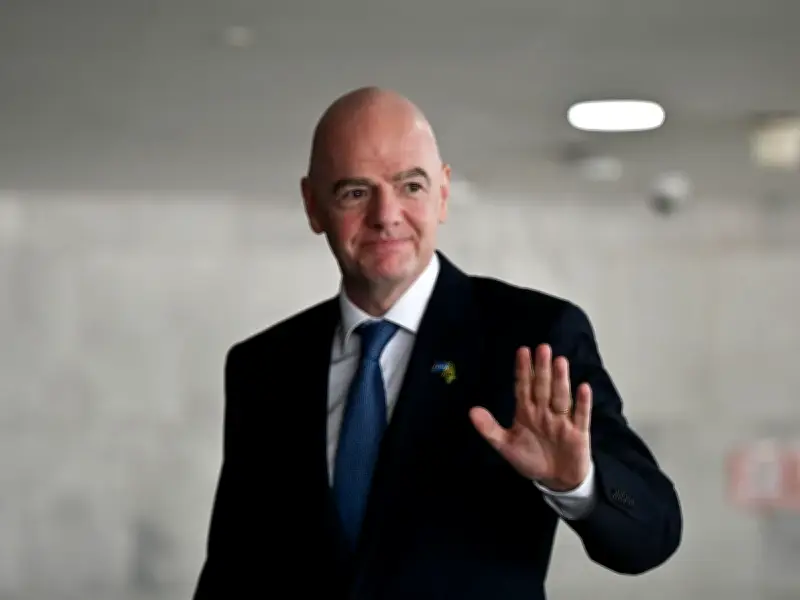
Gianni Infantino's tenure as FIFA president is effectively over, with no plausible scenario allowing him to continue. The focus now shifts to his successor and the future direction of world football's governing body.
A legacy of controversy
When Infantino assumed the presidency in February 2016, outgoing Sepp Blatter offered congratulations, praising his "experience, expertise, strategic and diplomatic skills." Infantino has indeed continued Blatter's work, but in a manner widely condemned as corrupt and self-serving.
The initial optimism surrounding Infantino's rise has faded. Greg Dyke, then FA chairman, described him as "not a politician and not an ego," but such hopes have proven misplaced.
Potential successors
Among the candidates to replace Infantino are Victor Montagliani, CONCACAF president; Mattias Granstrom, FIFA's Swedish general secretary; and Sheikh Salman bin Ebrahim Al Khalifa, who narrowly lost to Infantino in 2016. All are respected in governance circles, but so was Infantino initially.
The overwhelming support Infantino retained until his controversial World Cup sell-off scheme raises doubts about autocratic leadership in FIFA. The organization should be run by committee, not by a single powerful executive.
A new direction
FIFA needs a figurehead who embodies the sport's values, not a political operator. Former players like Luis Figo, who once considered running, could offer an alternative. The role should change to prevent future abuses of power.
Infantino's departure is inevitable; the question is whether FIFA will embrace a more collaborative, principled leadership model.