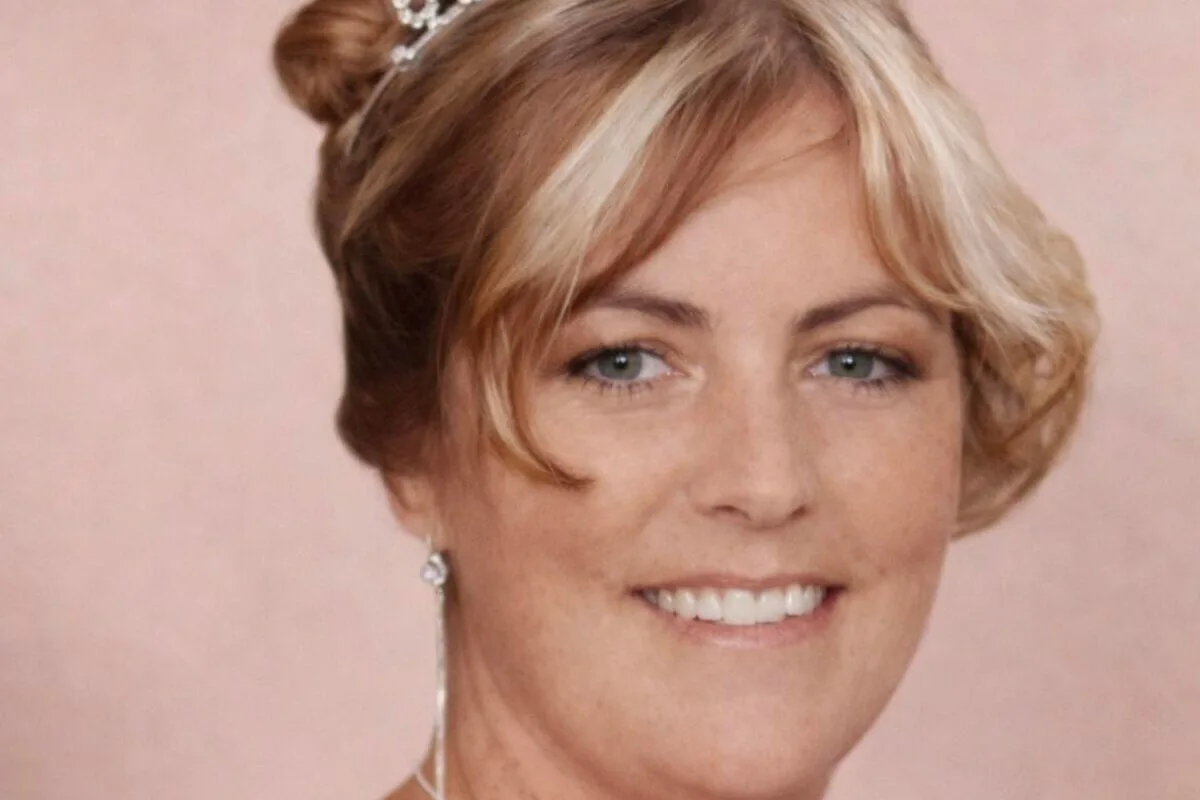
The family of a murdered woman say they were traumatised after being handed a photo by police officers of her killer upon his release from prison – only for it to show him openly smiling.
Emma King has spent the last two decades rebuilding her life after losing her sister Julie, who was strangled to death by her ex-husband Richard Butcher in 2005. He was jailed for life with a minimum term of 13 years after pleading guilty to her murder, which saw him lure the 25-year-old to the house under the pretence of collecting keys, only for him to launch his fatal attack.
From 2016 onwards, Julie’s family knew that her killer would soon be up for release and were horrified to learn he intended to return to the same area of Swindon where they lived. “He was released in October 2020 and I told our liaison officers that I didn’t want to be going through the streets wondering if he was behind me,” Emma told The Independent. They were informed they could receive an updated photograph of Butcher through the victim contact scheme that provides support to those affected by serious crimes.

“Two police officers came out and sat in my living room and were apologetic and said, ‘We do have to disclose he is smiling,’” she said. “Out of everything a family goes through, to then get handed an inappropriate photo is absolutely shocking. He’s taken away our family, years of our lives spent going through processes and procedures, and it only seems fitting that these pictures are properly managed.”
She is now calling for “Julie’s Law” in an online petition, which would implement national guidance so that offender photographs used within the criminal justice system follow a neutral identification format, similar to that required by passports and driving licences. She added: “At the time, I accepted the photograph because it was presented as part of the safety process. He was already approved by parole for release; they were already searching for his accommodation and could be released at any point. I was not informed that alternative images could be requested, nor was there any clear guidance explaining what the photograph might contain or what options were available.”
Upon his release, her family faced another battle to ensure that Butcher could not return to live in the same area, eventually securing a 2.5-mile exclusion zone after a “torturous” process of providing the locations of every place they regularly used on a map. In August, the government announced plans for new "restriction zones" which instead confine serious sexual and violent offenders to specific areas via mandatory GPS tagging. The new restriction zones are part of the Sentencing Bill 2025, which is currently under consideration in Parliament.