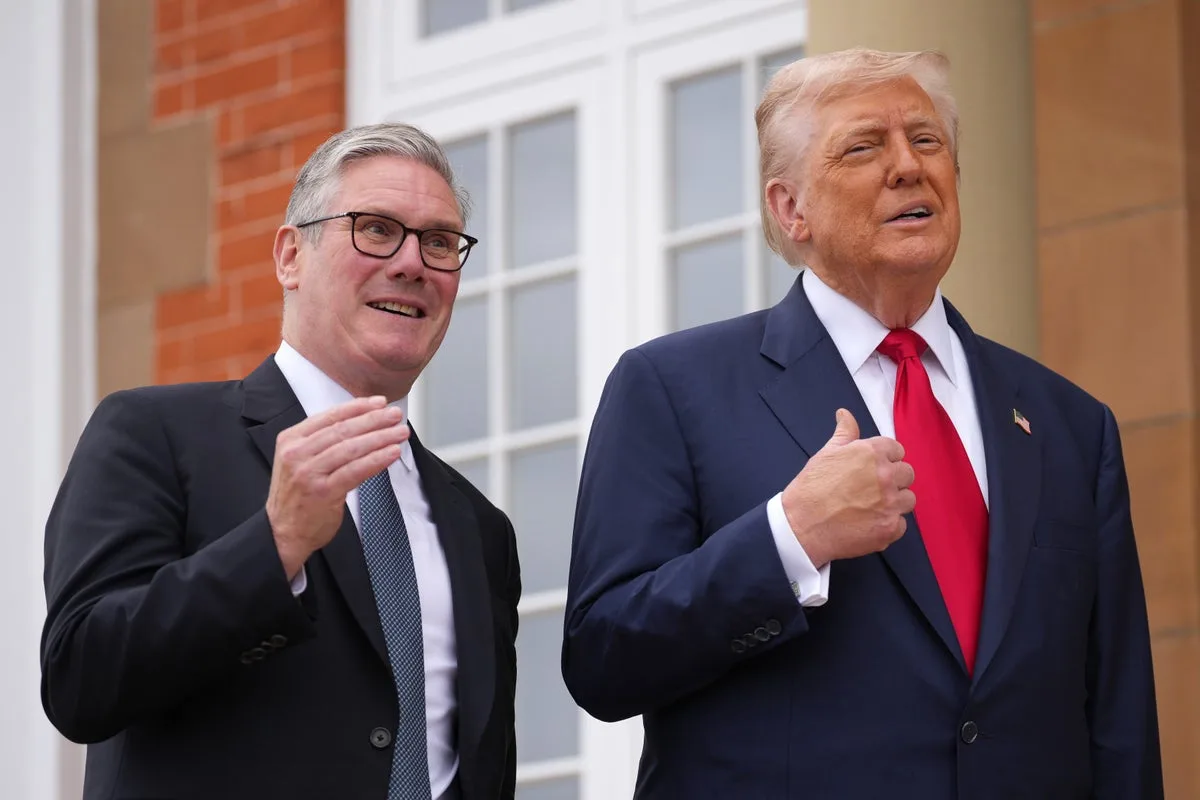
The shadow of convicted sex offender Jeffrey Epstein looms over the upcoming state visit of US President Donald Trump, with ties between the White House, the Royal Family, and the UK government all tainted by association. The sacking of Lord Peter Mandelson as UK ambassador to the US, just days before the visit, marks the latest chapter in the saga.
Prime Minister Sir Keir Starmer dismissed Lord Mandelson after emails emerged revealing the depth of his relationship with Epstein, including correspondence after Epstein's 2008 conviction for soliciting a minor for prostitution. The emails, which were not available during the vetting process, showed Lord Mandelson expressing support for Epstein and questioning his conviction.
The decision to sack Lord Mandelson was taken swiftly, with Sir Keir and Foreign Secretary Yvette Cooper meeting at 10am and MPs informed 45 minutes later. Buckingham Palace was also notified due to the nature of the ambassadorial role. Lord Mandelson was told before dawn in the US that he had lost his post with immediate effect.

Government ministers expressed disgust at the emails, with Health Secretary Wes Streeting saying he was 'completely disgusted' and Home Office minister Mike Tapp calling them 'really disturbing and sickening'. Chancellor Rachel Reeves and other senior ministers cancelled planned engagements as the government entered crisis management mode.
The Foreign Office stated that the emails showed Lord Mandelson's relationship with Epstein was 'materially different' from what was known at the time of his appointment in 2024. The suggestion that he believed Epstein's first conviction was wrongful was described as 'new information'. However, Lord Mandelson's links with Epstein were widely known before his appointment, and Sir Keir is now paying a political price for the gamble.
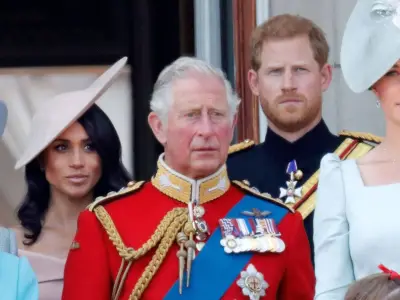
Epstein died in a New York jail cell in 2019 while facing sex trafficking charges, but his shadow continues to hang over the special relationship between the UK and US. The scandal also touches the Royal Family, with the Duke of York forced to step back from public duties in 2019 due to his friendship with Epstein.