
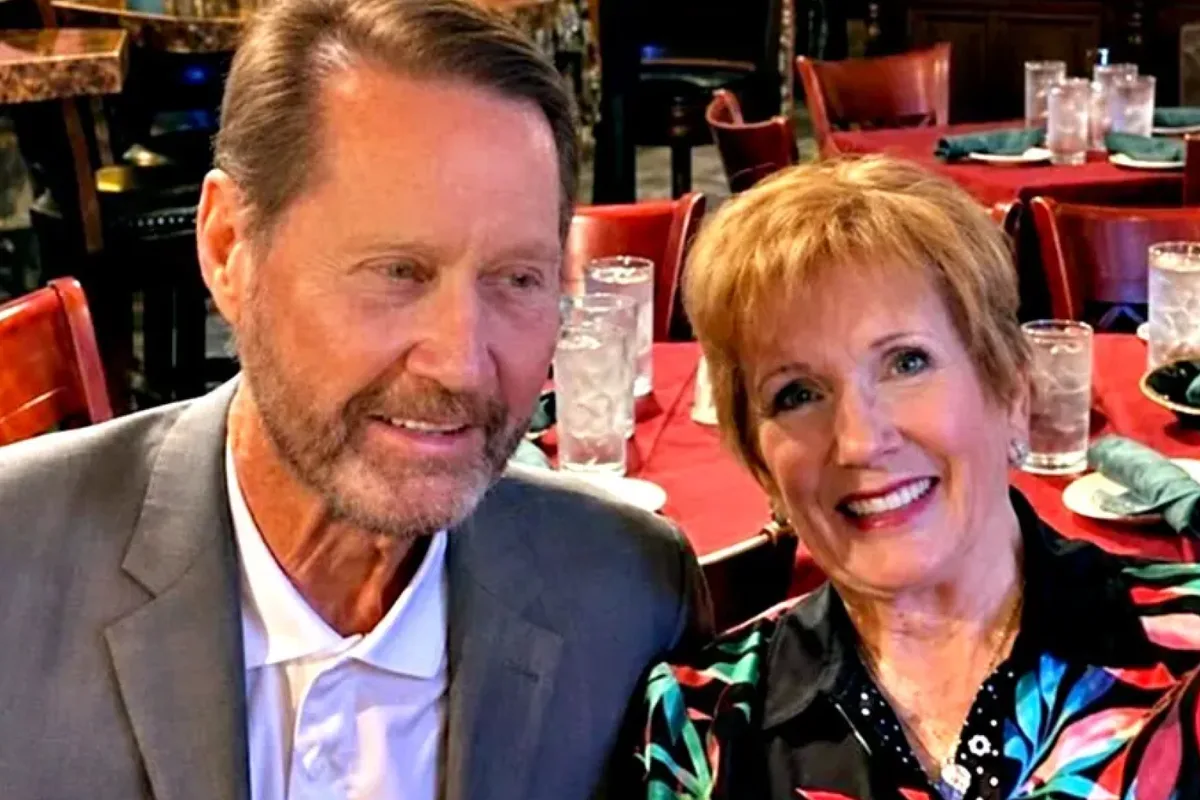
An elderly couple found dead in their California home in a suspected murder-suicide had been targeted by a scammer posing as actor Tom Selleck, a friend has revealed. Donald Whitaker, 80, and his wife Karen, 79, were discovered on 15 May during a welfare check at their home in Bermuda Dunes, Riverside County. Both had suffered traumatic injuries and were pronounced dead at the scene.
Joy Miedecke, 81, a friend of more than a decade, said the alleged scam began about a year ago after Karen posted on Facebook about a deceased high school friend. Someone then contacted her claiming to be Tom Selleck, saying they had dated the friend. Believing the person was genuine, Karen shared her phone number and began texting, eventually sending money via gift cards—a tactic the Federal Trade Commission warns is common among scammers.
Miedecke said the first request came in November for $80 to attend an event, followed by $800 for a table. The scammer continued to ask for money, and the messages became “almost a little bit romantic.” Friends repeatedly warned Karen, but she refused to believe she was being scammed. The Riverside County Sheriff’s Office confirmed a report of financial elder abuse had been filed before the deaths.
Donald only learned the full extent of the scam in January when adult protective services visited. The couple’s children tried to stop the losses by closing accounts and cutting up credit cards, but Karen found other ways to send money. Miedecke believes Karen may have had early-stage dementia. Donald told friends he “couldn’t cope” with the situation.
The day before the deaths, Karen asked friends for money, claiming Selleck’s manager needed help after his wife died. “That was the last straw for Donald,” Miedecke said. “He was so embarrassed.” Investigators said there is no evidence the scammer was directly involved in the deaths, but the case remains under investigation. Selleck has not been accused of any wrongdoing.




