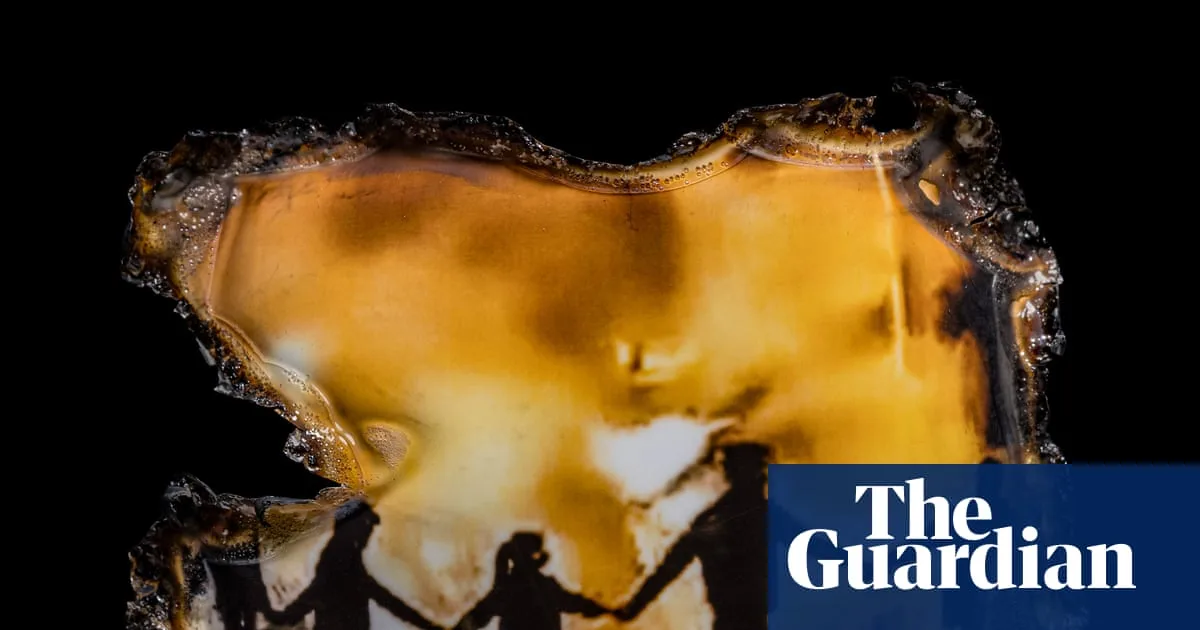
Iranian visual journalist Parisa Azadi has described burning her photographs as an act of mourning after state massacres and executions in January 2026. The process, she said, was not about erasing images but conveying 'rage, grief and refusal'.
Unable to return to Iran since the 2022 uprising, Azadi used open-source protest footage to create physical prints. She isolated frames from videos circulating on social media and photographed them directly from her computer using a Fujifilm instax camera, transforming ephemeral digital pixels into solid objects.
One image shows a crowd in Tehran circling a fire, chanting, 'You're the pervert. You're the whore. I'm a free woman' – turning misogynistic insults into defiance. The grainy, pixelated quality reflects what German artist Hito Steyerl calls the 'poor image', a politically potent form of testimony.

Azadi, who previously worked in Iran carrying an instax camera to give portraits as keepsakes, said the burning of prints echoed the violence depicted. The practice grew from a need to respond to rebellion and censorship, embracing precarious, low-tech forms to document a movement demanding bodily freedom.