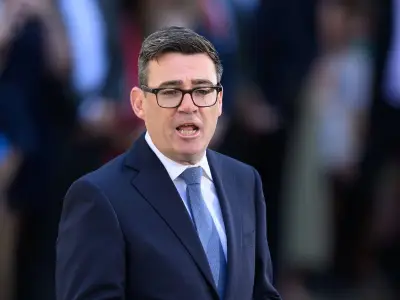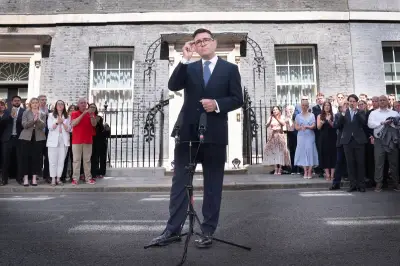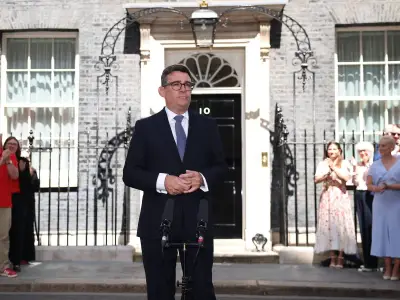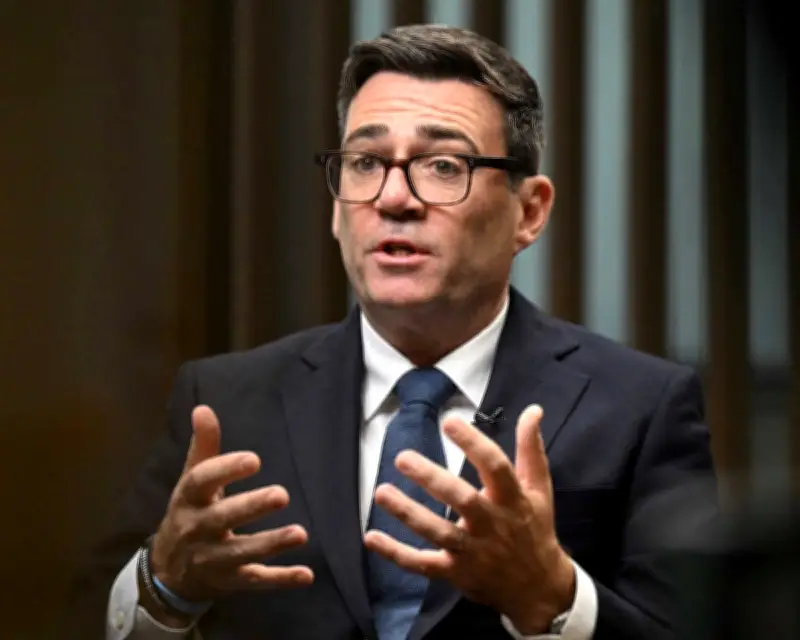
Andy Burnham has promised to use “whatever political capital I have” to finally fix the crumbling social care system in England, warning that without rapid action the NHS could effectively collapse.
In his first full interview since becoming prime minister, Burnham said he could not put a timetable on the arrival of a new system for social care but that its creation would take time. He highlighted personal experience with his father, who has Alzheimer's disease and requires care.
Major changes before next election
Asked whether he would create an entirely new system before the next election, Burnham told the BBC he would go as quickly as he could on its “reform”. He added that a completely new system would take time.

“I think there are major changes you can make before the next election. This costs the NHS billions of pounds, and we will never get the NHS back to good waiting time standards until we fix social care,” he said.
Asked whether he had the necessary political will, Burnham said he had promised previously to tackle the issue and “I won’t change coming into this job”.
“I’m not going to take different positions than the ones I’ve long put to you in interviews. Whatever political capital I have, I will put into fixing broken social care, and I would not want to leave office without having brought in the substantial change, the new system of social care that you described.
“I can’t put a timeline on it right here, right now. If we don’t do it, the NHS will collapse under the weight of trying to care for people who’ve not really needed to end up in the NHS system.”
Welfare reform and benefits
Burnham also said the UK had to “get really serious as a country” about reducing the amount spent on social security and other benefits. However, he added that he did not want to demonise people who claimed social security.
Asked whether there were people claiming benefits who did not need them, he replied: “Well, I wouldn’t necessarily go straight to blaming those people. What I would say is that there are people in the benefits system, young people in their 20s, who have been, I would say, quite seriously let down because the support wasn’t there for them when it should have been there.
“So I don’t blame them. I don’t think the support has been there for them in the way that it should have been.”
Burnham has also promised to overhaul the wider benefits system, a process begun under Keir Starmer, including a review into payments for people with a disability or illness, and a study of how to reduce the number of young people not in education, employment, or training.
On balancing changes, Burnham said: “It’s about changing the nature of the support and making some of the support conditional upon people taking opportunities that are presented in front of them.
“So you might increase the conditions required to receive benefits. I think it’s a good thing that the government has given guarantees of opportunities for young people.
“And I think we need to continue down that approach, and where mental health support is needed, for instance, it’s provided in work to support people in an opportunity. Let me just say something more, though, about what you’re driving at, which is the welfare bill. I think we’ve got to get really serious as a country at getting welfare down.”
Conservative offer on social care
The Conservative party leader, Kemi Badenoch, wrote to Burnham on Sunday, reiterating an existing offer that her party would work with the government on transforming social care – but only on conditions the government could not realistically sign up to. These include that the plan is “fair” to people with savings, which would rule out many approaches in which people contribute to their own care, and that it also rules out any tax rises or borrowing to pay for the scheme.

Fiscal rules and defence
In the interview, Burnham also promised to stick to existing fiscal rules and take a “cautious approach” with the public finances, saying he needed to abide by Labour’s 2024 election manifesto. After refusing to give specifics on policy issues such as how and when defence spending would increase and options for reforming social care, Burnham dismissed the idea he was stalling, saying he had been “pretty active” in his first days.
Pressed on whether he may consider a wealth tax, the prime minister said it was too early: “I’m four days in. You’re asking me, now, to write the next budget or the next manifesto.”
On defence, Burnham argued it was unfair to set out immediately when the UK would reach the target of spending at least 3% of GDP. He said his appointment of John Healey as chancellor showed his commitment.